
Methadone Detox
Methadone is known as the gold standard for treating opioid use disorder. It is included in the World Health Organization’s list of essential medicines. Methadone itself is an opioid and it can actually become extremely physically addictive if abused and taken at high doses. Methadone detox and withdrawal can be just as uncomfortable and dangerous as detoxing from any other opioid substance.
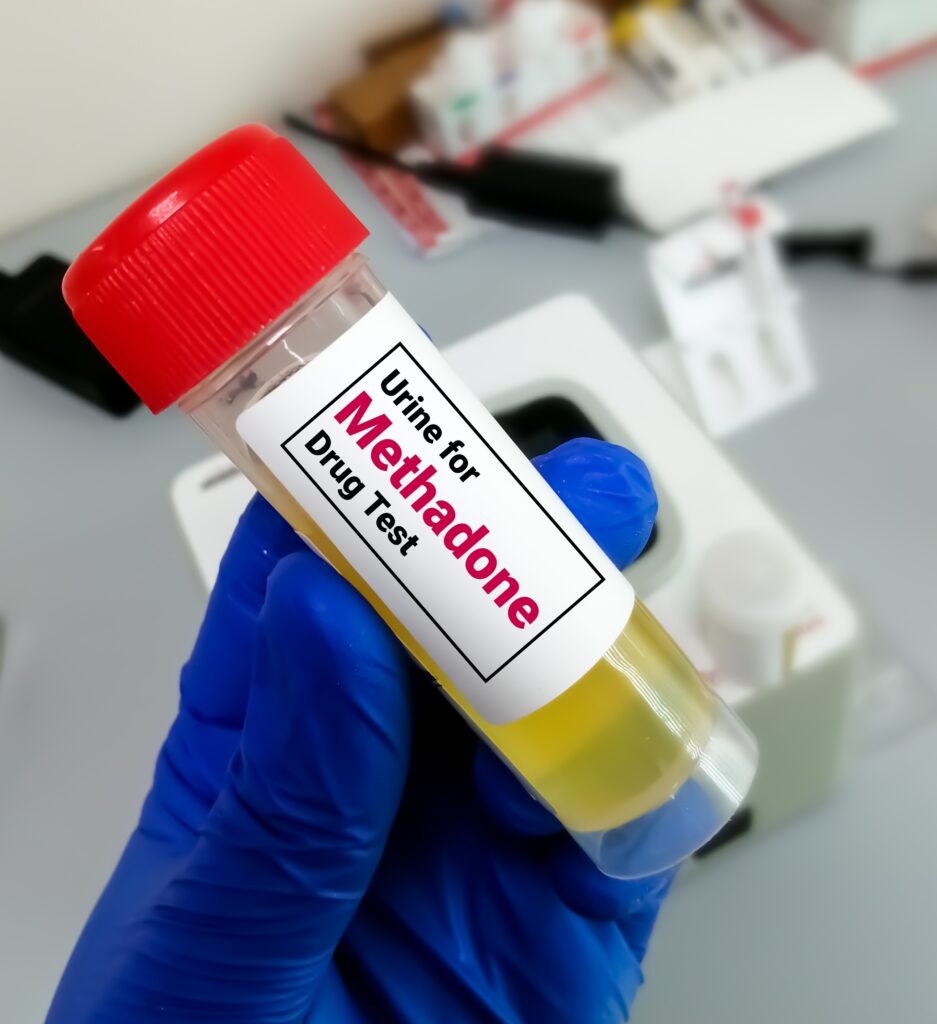
According to the National Institutes of Health, methadone detox and withdrawal are especially difficult due to the drug’s long-lasting nature and powerful effects on the brain and body. It is a highly regulated prescription medication that is typically only used in authorized clinical settings, whether it is an inpatient or outpatient treatment program.
Some believe methadone treatment is trading one addiction for another. But many studies have found that when used correctly and under the care and guidance of a medical professional, methadone acts as a stabilizing foundation for treating severe opioid use disorder.
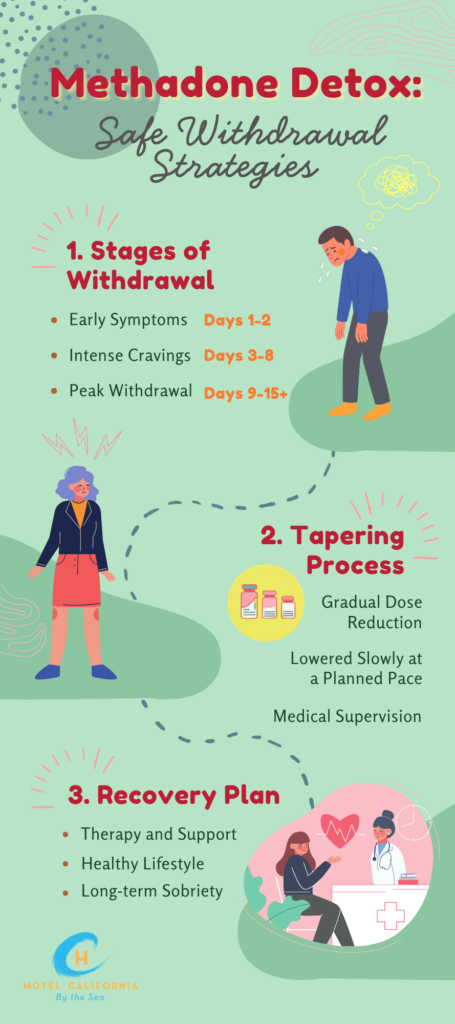
Eventually, patients will transition off the medication through a guided and structured methadone detox. This process involves a slight and gradual decrease in medication. Physicians recommend a slow tapering schedule to lower the dosage and give the brain time to rebalance without the shock of severe withdrawal. With this knowledge in mind, it can turn fear into a practical plan for sobriety and independence.
More on Methadone
Methadone was first approved by the FDA to treat opioid use disorder in the 1970s. It is typically sold under the brand names Methadone and Dolophine. It is a synthetic opioid medication that interacts with the opioid receptors in the brain to help reduce the symptoms and severity of opioid withdrawal. It works by engaging in the same brain receptors as opioids without triggering a euphoric rush. This allows patients to continue to function normally as it slowly begins to heal from opioid abuse.
Methadone is a highly regulated medication. It can only be prescribed and given through a government-licensed methadone clinic. According to SAMHSA, methadone is a safe and effective treatment when used as prescribed and completed in a drug treatment facility. However, with prolonged use, there is a risk of tolerance, dependence and even addiction to the medication.
Benefits of Methadone for Opioid Use Disorder
- Does not cause impairment or permanent damage to the brain and body when used under the guidance of a clinical program.
- Because the medication is highly regulated, it is not cut with other substances and there is very little risk of contamination.
- Can be legally obtained through a clinic and does not require patients to engage in secretive or self-destructive behaviors when using the drug.
- It is a difficult drug to overdose on when taken as prescribed.
The dangers of quitting cold turkey
The impulse to simply stop taking medication to be over and done with is understandable. But unfortunately, the body’s biological reaction to an abrupt cessation of methadone can make this approach very dangerous. Quitting methadone cold turkey can cause severe withdrawal symptoms and increase the risk of relapse.
Methadone acts like a brake pedal for the central nervous system to dampen pain signals and stabilize brain chemistry. Once the brake pedal is suddenly released, it can cause the brain to go out of control, resulting in rebound effects. This is where suppressed body functions return with intensity and unmanageable force.
Removing the drug without a slow transition can cause the nervous system to misfire and flood the brain with stress signals. Symptoms of sudden withdrawal include cardiovascular stress, temperature fluctuation, gastrointestinal distress and neurological agitation.
Medical professionals recommend a medical detox that provides a gradual tapering schedule. This type of methadone detox provides clinical monitoring, symptom management and supportive care to help reduce complications of withdrawal and ensure patient safety. A medically supervised taper allows the brain to recalibrate slowly without crashing out.
Check Your Insurance Coverage for FREE
Find out if your insurance covers addiction treatment in minutes. We accept most insurance!
Methadone Detox
The methadone detox timeline lasts longer than most opioids due to methadone’s longer half-life. This means it takes much longer for just 50% of the medication to leave the system, with an average of 24 to 36 hours. This can also mean that missing one dose of the medication doesn’t necessarily trigger immediate withdrawal symptoms because the drug is still lingering in the body.
Shorter-acting opioids like heroin or oxycodone have a much shorter timeline and can clear the body within a few hours. Methadone was designed specifically for stability rather than a quick high. It helps to create a steady state that curbs cravings and keeps the body stabilized while slowly coming off opioids. This is why it is much longer-acting compared to other opioids and it is used for the treatment of opioid use disorder.
Typical Withdrawal Timeline
- Days 1-2. Symptoms of withdrawal don’t usually occur until about 30 hours or so after the last dose has been taken. Chills, fever, rapid heartbeat and muscle aches are common symptoms.
- Days 3-8. During this phase, patients typically develop strong methadone cravings and other symptoms like anxiety, nausea, vomiting, insomnia, depression and cramps.
- Days 9-15. This is when withdrawal symptoms begin to peak. Patients may still experience cravings and feelings of depression may become more severe.
- Day 15 and on. After the initial 3-6 weeks of detox are over, some methadone users may experience post-acute withdrawal syndrome (PAWS) and can have continued symptoms for two months and up to two years.
Buprenorphine vs Methadone: Which treatment is right for you?
Methadone and buprenorphine are prescription medications that are commonly used in treating opioid use disorder. They are often part of mediation assisted treatments in which patients are prescribed medications alongside therapy and counseling to help treat the physical and psychosocial aspects of their addiction to opioids.
Methadone works by fully activating the opioid receptors. Buprenorphine works as a partial agonist and engages the receptors in the brain just enough to stop cravings without enabling the same intensity. Buprenorphine has a ceiling effect in which the medication will plateau even if the dosage increases. This is a sort of safety measure.
The choice between the two medications for opioid use disorder often depends on the level of support needed. Methadone treatment is best for those who need a stronger physical stabilization. Buprenorphine is best for those who are ready for a less intense treatment.
Methadone treatments require daily clinical attendance. This can provide structure and supportive guidance. But it can also cause conflict with employment or family duties. On the other hand, buprenorphine allows for a less strict treatment schedule in which prescriptions can be managed by qualified doctors, making this medication assisted treatment less intrusive. It can help integrate a standard routine rather than building their lives around clinical operational hours.
Reach out to Hotel California by the Sea
We specialize in treating addiction and other co-occurring disorders, such as PTSD. Our Admissions specialists are available to walk you through the best options for treating your addiction.
Treatment for Substance Use Disorder
Methadone is a prescription medication that is effective in treating opioid addiction. Because it is an opioid in itself, it is important that methadone detox be done under medical care and guidance to avoid dangerous rebound effects. Professional behavioral health programs like Hotel California by the Sea provide care for those with opioid use disorder.
We offer treatment at all levels of care including detox, residential, PHP and IOP. We utilize evidence-based methods such as CBT, DBT and MAT. Hotel California by the Sea is dedicated to helping clients reach their goals in sobriety and overcome their addiction.
References:
https://www.addictioncenter.com/opiates/methadone/withdrawal-detox
https://www.hanleycenter.org/methadone-withdrawal
https://www.eleanorhealth.com/blog/how-long-is-methadone-withdrawal
https://www.drugs.com/medical-answers/long-methadone-withdrawal-3543797