
The Dangers of Sharing of Needles
According to the United Nations Office on Drugs and Crime, an estimated 11 million people inject drugs globally. Injection drug use is a huge risk factor for contracting illnesses and diseases like HIV and Hepatitis C. Sharing of needles after drug injection creates a dangerous risk resulting in lifelong consequences.
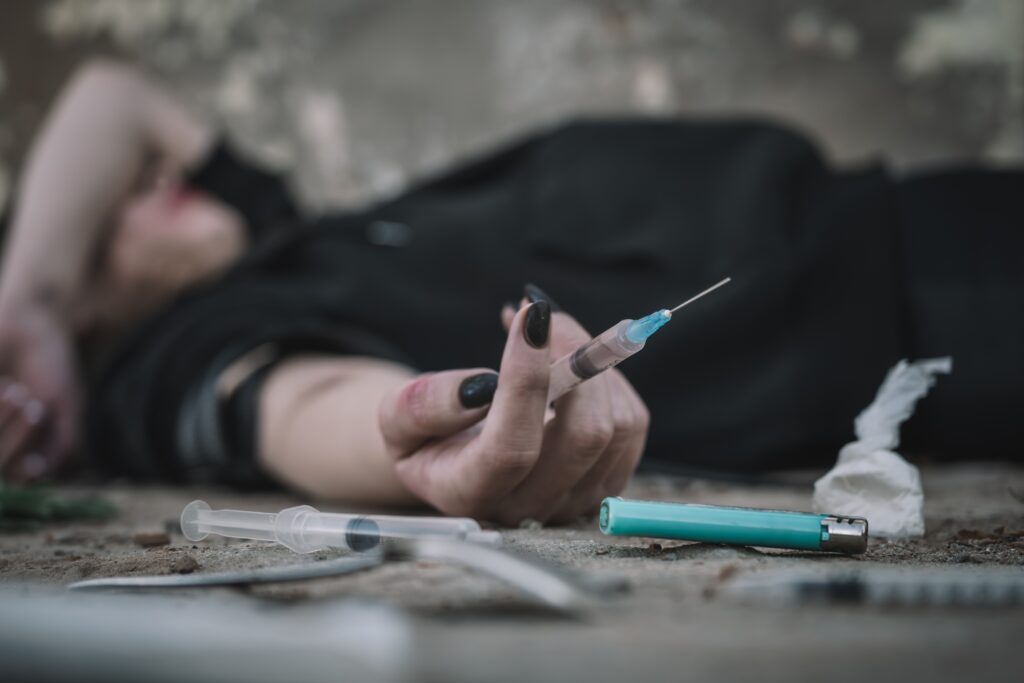
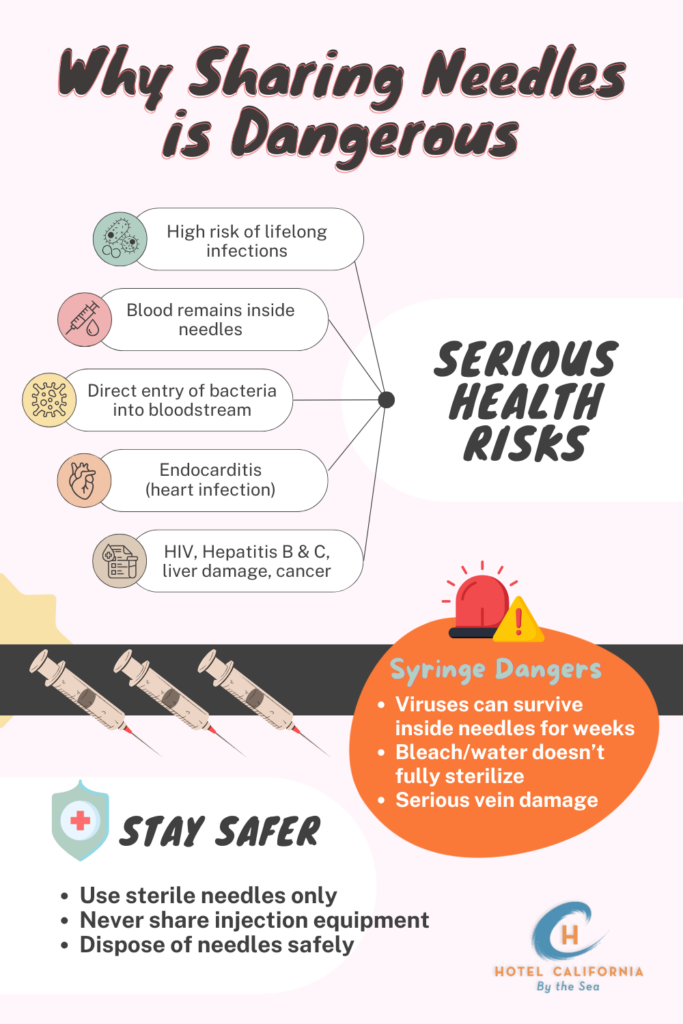
According to public health researchers, microscopic droplets of blood can cling to the inside walls of the hollow tube long after a quick wash. This means a high risk of cross-contamination or transfer of bacteria and infections if the dirty needle is used again. Rinsing the physical tool with tap water can create a dangerous false sense of security.
That invisible leftover residue can bypass the body’s natural defenses and deliver pathogens directly into the bloodstream. For those who inject drugs, their desire to get their fix right away often overrides any safety precautions when using needles. They are so preoccupied with the next high that sharing needles or using a dirty needle is common.
Dangers of Sharing of Needles
According to the Department of Health and Human Services, acute hepatitis C infection became more common from the years 2010 to 2020 due to the increase in injected drug use. In 2013, an estimated 3,096 out of 47,352 who were diagnosed with an HIV infection in the US, were caused by the use of needles of injection drug use.
In 2020, about 66% of new hepatitis C cases reported the use of injected drugs. If someone uses a needle that hasn’t been sterilized or was used by another, there is a potential for contamination. There is a higher risk of spreading blood-borne diseases like HIV, hepatitis B and hepatitis C.
How the risk of HIV and Hepatitis C can occur from the Sharing of Needles
The spread of HIV through shared injection equipment becomes more obvious when examining the needle. HIV is a disease that attacks the body’s immune system, making a person more susceptible to other bacteria and viruses. The drug injection tool acts like a tiny pipe, providing a direct delivery route straight into a person’s bloodstream.
Any blood left on a tabletop that can dry quickly and is exposed to outside elements can destroy any diseases within it. But the tiny pipe inside the needle creates a protective sealed environment that can help keep dangerous pathogens alive for longer than they could survive in open air.
Hepatitis C is a very resilient virus that is capable of surviving inside a needle for up to three weeks. It is a virus that attacks the liver and can cause serious liver damage, cirrhosis and cancer. It can take up to 6 months to a year for symptoms to appear.
When bacteria reaches the Heart: Endocarditis
When contaminated blood enters the bloodstream, bacteria can easily snag on the heart’s valves. Once it attaches, the germs can multiply and eat away at the tissue and create a serious heart condition known as endocarditis.
Endocarditis is a serious infection of the heart’s inner lining. Endocarditis is a heart valve infection. Because the heart is constantly working to pump blood around, it can spread the damage quickly and eventually make it difficult for the organ to work properly.
Recognizing endocarditis symptoms in injection drug users can be difficult because early warning signs closely mimic the standard case of the flu. Symptoms such as persistent fevers, unexplained chills, aching joints and crushing fatigue are all major red flags of a bacterial infection in the cardiovascular system. A reused syringe easily introduces these microscopic bacteria.
Why bleaching and rinsing aren’t enough to stay safe
Many people assume that a quick rinse with bleach or water can make a syringe safe to use. That is a myth. The residual blood inside and the barrel can quickly dry and clot, forming a hard protective shell over any living viruses. And when you try to flush the syringe, the liquid simply flows over the clots without touching the germs hidden inside.
Do-it-yourself cleaning techniques can leave harsh household chemicals residing inside the plastic tube. And when you inject residual bleach into the bloodstream, it can cause chemical burns to your veins. Simply wiping the exterior of the syringe with an alcohol swab or under warm water does nothing to eliminate the contaminated fluids locked deep in the tiny tube.
Genuine sterilization requires medical-grade heat and pressure, which is impossible to do on your own. The next step in safety involves navigating Syringe Service Programs for protection and support.
Check Your Insurance Coverage for FREE
Find out if your insurance covers addiction treatment in minutes. We accept most insurance!
Syringe Service Program
The North American Syringe Network reports that there are about 200 programs across 33 different states that offer this type of support. Syringe service programs help to distribute sterile syringes for safer drug use and can also provide education to those who inject drugs. This type of harm reduction program has been proven to help reduce HIV infection rates by up to 50%.
Syringe Service Programs (SSP) focus on preventing the spread of incurable diseases by offering the right tools to stay safe. With these types of programs, data has found that those who participate are more likely to eventually attend long-term rehab.
Pros of the program
- It helps to reduce the risk of contaminated needles being shared
- It helps to reduce the risk of law enforcement becoming infected by accidentally receiving needle sticks
- Some exchange programs also offer HIV testing and counseling for treatment
- Some programs also offer assistance with substance use treatment programs
- Increases access to harm reduction services for people who use or inject
- Reduces the incidence of infectious diseases and other complications of injecting
- Provides access to sterile needles and a disposable sight for used injection equipment
- They can also offer overdose reversal tools like naloxone to keep people alive in an emergency
- They also offer healthcare referrals, basic medical needs or recovery guidance
Con of the program
- Some people view the program as promoting drug use by offering clean needles to help a person use
- Promotes the acceptance of IV drug use, leading to higher rates of drug abuse
- Many programs are actually funded by taxpayer dollars
Finding a local needle exchange program is as simple as checking a city health department website or calling a nearby clinic. Turning to a SSP can transform an isolated and dangerous routine into a supported health decision. Connecting with professionals can help protect your health and the health of those around you.
Reach out to Hotel California by the Sea
We specialize in treating addiction and other co-occurring disorders, such as PTSD. Our Admissions specialists are available to walk you through the best options for treating your addiction.
Treatment for Substance Use Disorder
Injection drug use causes a high risk for dangerous health disorders. Avoiding the sharing of injection equipment can prevent the spread of diseases. Professional behavioral treatment programs like Hotel California by the Sea provide treatment for those who are addicted to IV drugs.
We offer treatment at all levels of care including detox, residential, PHP and IOP. We utilize evidence-based treatment methods such as CBT, DBT and family therapy. Hotel California by The Sea is dedicated to helping clients reach their goals in sobriety and overcome their addiction.
References:
https://archive.cdc.gov/www_cdc_gov/policy/hi5/cleansyringes/index.html
https://harmreduction.org/issues/syringe-access/
https://pmc.ncbi.nlm.nih.gov/articles/PMC8373634
https://strbehavioralhealth.com/blog/what-diseases-are-caused-by-dirty-needles/
https://recovery.com/resources/the-pros-and-cons-of-needle-exchange-programs
https://recoverycentersofamerica.com/blogs/understanding-the-dangers-of-inravenous-drug-use/
https://www.healthline.com/health/hepatitis-c/from-needles#minimizing-risk