
Natural Ways to Produce Dopamine
Dopamine is an important chemical messenger in the brain that plays a role in memory, motivation, learning, reward and movement. Low dopamine can be caused by injury to an area of the brain that makes the neurotransmitter or when substances like cocaine and heroin cause a decrease in dopamine production naturally. To combat this, some are exploring natural ways to produce dopamine on top of getting professional help.
Having low dopamine can make it difficult for a person to experience pleasure and find joy and happiness. Clinically low dopamine is associated with conditions such as depression, anxiety, ADHD, Parkinson’s disease and substance use disorders.
Drugs and alcohol unnaturally stimulate increased levels of dopamine in the brain. The brain associates the substance with pleasure. Therefore, the brain naturally produces less of it. When addiction occurs, the person depends on substances in order to create dopamine. Soon the person will crave more and more of the substance in order to produce the amount of dopamine needed to experience the same feeling. This is one of the darker sides of having low dopamine.
What is Dopamine and how does the brain naturally produce it?
Your brain naturally produces dopamine through a pathway that starts with amino acids from food. The body uses phenylalanine and tyrosine as building blocks that are converted into dopamine. The goal is to support the brain’s natural production and receptor health.
Dopamine is a neurotransmitter and hormone that communicates chemical messages between nerve cells in the brain and body. Dopamine impacts the brain’s prefrontal cortex, which is responsible for decision-making, emotional regulation and higher-order thinking. It also plays a role in learning and attention, mood, movement, heart rate, kidney function, blood vessel function, sleep, pain processing and the reward pathway.
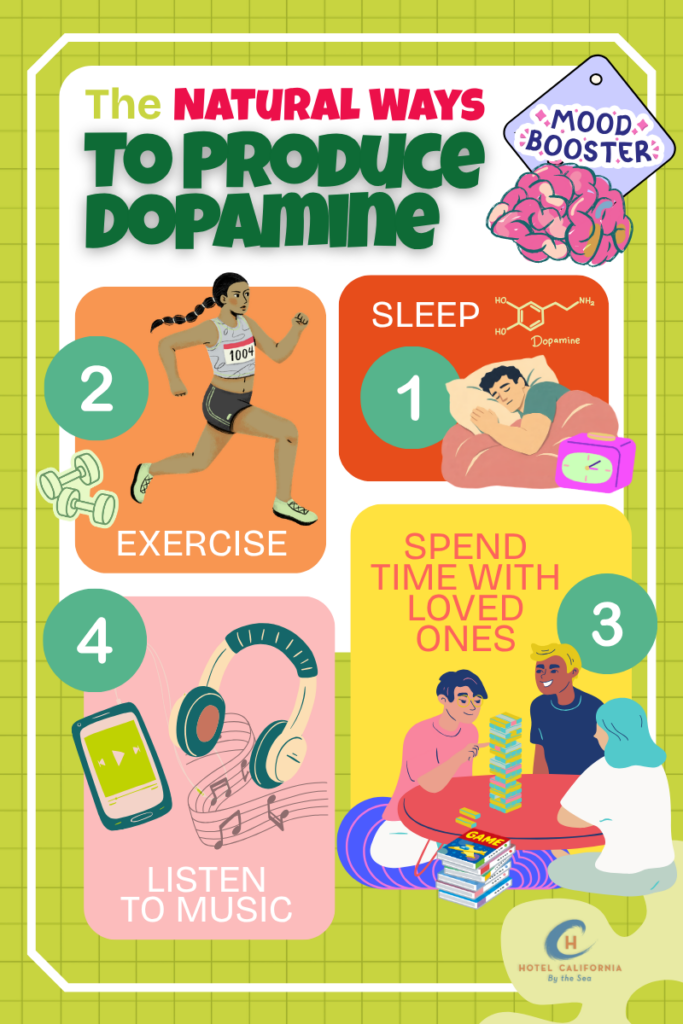
The best natural dopamine enhancers include lifestyle patterns and the help of a clinical professional. Food can provide the raw materials, exercise influences dopamine signaling, healthy sleep habits keep the alertness system balanced and rewarding experiences can teach the brain what is worth repeating. The aim is to improve dopamine naturally so that motivation becomes easier without depending on outside stimulation such as drugs and alcohol.
What happens when Dopamine is too low?
When you have low dopamine or poor dopamine signaling, it can impact how you are motivated, focused, energized and emotionally responsive. Low dopamine can also show up differently depending on the underlying cause.
Common signs of low dopamine activity include:
- Low motivation
- Reduced pleasure
- Fatigue
- Difficulty concentrating
- Mood changes such as anger and self-esteem issues
- Sleep disruptions
- Difficulty with physical movement such as hand tremors and restless legs
- Difficulty with short-term memory
- Social withdrawal
- Reduced emotions
- Gastrointestinal issues such as chronic constipation
Neurologically, dopamine can help the brain decide what is rewarding and worth pursuing. When dopamine signaling is off, an ordinary task can feel unfulfilling.
Low dopamine can be caused by many different factors. The problem could be with production, release, receptor sensitivity, transport, medication effects, stress, sleep loss or other underlying health conditions. Natural ways to produce dopamine are understood as supportive habits and not a replacement for professional medical care when it comes to more serious conditions of low dopamine.
Natural ways to produce Dopamine
Food Nutrition and Diet
Dopamine-rich foods is a popular search term. But the more accurate approach is to eat foods that are rich in support nutrients for dopamine. This includes tyrosine, phenylalanine and magnesium-rich foods that help support dopamine-related nutrition. These are the building blocks of dopamine production. Useful food choices include:
- Protein – eggs, poultry, fish, lean meat, Greek yogurt, cottage cheese, tofu, beans and lentils
- Nuts and seeds – pumpkin seeds, sesame seeds, almonds and peanuts
- Magnesium-rich foods – leafy greens, legumes, whole grains, and dark chocolate
- Fermented foods – yogurt, kefir, sauerkraut and kimchi
- Fruits – apples, avocado, oranges, tomatoes and watermelon
Engaging in activities that make you feel happy or relaxed
Evidence has shown that the brain releases more dopamine when we do activities that we enjoy.
- Mindfulness and meditation
- Yoga
- Playing with a pet
- Walking out in nature
- Reading a book
- Eating ice cream
- Listening to music
- Spending time with people you care about
- Volunteering
- Engaging in creative activities
Check Your Insurance Coverage for FREE
Find out if your insurance covers addiction treatment in minutes. We accept most insurance!
Exercise and Movement
Getting your body moving helps to increase dopamine levels and overall wellbeing. It is one of the clearest natural ways to support dopamine because it affects mood, motivation, cognition, stress and brain plasticity. Working out, going for a run or taking your favorite exercise class can help boost dopamine in your system. You don’t need an extreme routine. Consistency is the key. The goal is to train the brain to associate healthy effort with a reliable reward.
- Start out with 10 minutes of walking. This can keep a low baseline that you can build on over time.
- Add mild intensity. Walking up hills, brisk walking, cycling, swimming or dancing can make it more stimulating.
- Include strength. Adding weights or resistance bands can improve confidence and energy.
- Make it rewarding immediately. Pair your movement with music, sunlight or a scenic route.
Supplements
Sometimes adding in supplements can help raise dopamine levels. Supplements that contain tyrosine, L-theanine, vitamin D, vitamin B5, vitamin B6, omega-3 fatty acids, and magnesium all help with the production of dopamine.
Probiotics address the gut microbiome. Some research has found that harmful gut bacteria can decrease dopamine production, so adding probiotics can help increase mood boost.
Green tea contains the amino acid L-theanine, which helps increase dopamine neurotransmitter production in the brain, leading to a natural antidepressant effect.
The risk of Artificial Dopamine Spikes: Substance Use Disorders
Dopamine is often described as critical to reward seeking, movement and motivation. Some substances can create a faster and stronger dopamine reward spike compared to everyday pleasures. This includes nicotine, alcohol, cannabis, opioids, cocaine, amphetamines and prescription stimulants. All of these substances impact the brain’s reward pathway and are associated with the risk of addiction.
The problem is that when there are repeated artificial spikes in dopamine levels due to substance use, it teaches the brain to prioritize the substance over slower and naturally occurring healthier rewards. These drugs target the brain’s reward system and flood it with dopamine. Over time, the brain adapts to these changes, producing less dopamine naturally and making ordinary pleasures feel less satisfying while increasing cravings for drugs.
This then creates a cycle of addiction. The person uses the substance to feel normal, tolerance builds, and motivation for natural rewards decreases. When this happens, professional help from a clinician, therapist or treatment program may be necessary to help break the cycle.
Reach out to Hotel California by the Sea
We specialize in treating addiction and other co-occurring disorders, such as PTSD. Our Admissions specialists are available to walk you through the best options for treating your addiction.
Treatment for Substance Use Disorder
Professional behavioral health programs like Hotel California by the Sea treat substance addictions that are associated with artificial dopamine spikes. This includes addiction to cocaine and heroin. We offer treatment at all levels of care, including detox, residential, PHP and IOP. We utilize evidence-based methods such as CBT, DBT and EMDR therapy. Hotel California by the Sea is dedicated to helping our clients reach their goals in sobriety and overcome their addiction.
References:
https://my.clevelandclinic.org/health/articles/22588-dopamine-deficiency
https://www.health.harvard.edu/mind-and-mood/dopamine-the-pathway-to-pleasure
https://www.healthline.com/nutrition/dopamine-supplements#probiotics
https://sanfordbehavioralhealth.com/2024/12/04/dopamine-rush-27-things-to-do-instead-of-scroll