
A new type of Treatment for Methamphetamine Addiction
An estimated 16 million people use meth every year. Many of them have a meth use disorder. Traditional treatment for methamphetamine addiction is slightly shifting with the implementation of a new strategy called contingency management. New research is finding that one of the most effective ways to treat meth addiction is actually very simple yet controversial.

Meth use disorder is a serious mental health disorder that requires treatment. Opioid use disorder and alcohol use disorder are often managed heavily with medication-assisted treatments. There are many FDA-approved medications that have shown effectiveness in helping patients through these substance addictions.
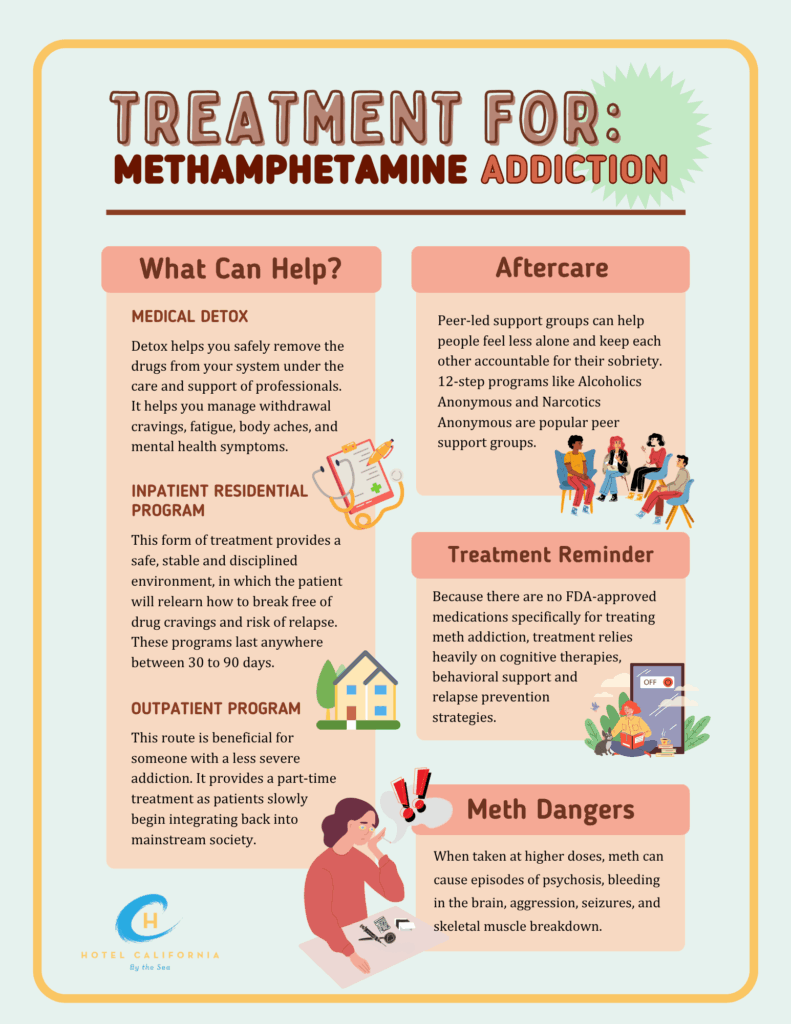
Because there are no FDA-approved medications specifically for treating meth addiction, treatment relies heavily on cognitive therapies, behavioral support and relapse prevention strategies. But with the rise in drug overdose epidemic and after more than three decades of resistance, policymakers are finally giving the unconventional strategy of contingency management a chance.
What does treatment for Methamphetamine Addiction look like under Contingency Management?
Contingency management is based on the basic principle of positive reinforcement. This strategy is supported by a vast collection of research studies supported by the National Institute on Drug Abuse. The new treatment method involves the immediate delivery of a tangible reward and incentive. When patients perform a specific desired behavior indicating cessation of stimulant use, they are instantly rewarded.
This newly revisited method, which dates back to the 1980s, offers a small reward for not using drugs. In fact, the Department of Veterans Affairs has been utilizing contingency management since 2011.
Traditionally, many addiction care providers dismissed this method as a form of bribery and ineffective. There were also concerns over fraud that could impact the growth in popularity of the treatment. But there is now a new shift in attitude with treatment methods due to the rise in overdose deaths fueled by synthetic opioid use. People are beginning to recognize that too many are dying and something new has to be done.
How does Contingency Management work?
Patients are drug tested regularly. For every negative test result, they will receive a retail gift card usually worth anywhere from $20 to $30. This treatment method is based on the idea that positive reinforcement can be an effective motivator in helping patients to stop using drugs.
Research has found that users are actually twice as likely to stop using drugs like meth or cocaine if they receive gift cards. The study suggests that the reason for this is that the immediate excitement of getting a reward after a negative drug test can help replace the dopamine rush users receive from using drugs. Scientists believe this could be an effective strategy in helping to rewire our brain away from associating a dopamine rush with drugs.
Implementation of this unconventional Treatment Method
In California, state health officials are now asking the federal government to allow the state to become the first to pay for contingency management with Medicaid dollars. Medicaid in California generally covers addiction treatment through specialty addiction clinics. This means the majority of substance users get treatment through primary care services, community health clinics or hospitals. These patients are generally unable to get access to contingency management treatments. In California, an estimated 210,000 patients who are on Medicaid are also addicted to meth or cocaine.
During the Biden Administration, there was a broader package passed consisting of non-traditional health care services in California. The program CalAIM launched last year provided gift cards after each stimulant-free urine test, starting at $10 and maxing out at $26.50. For a patient who consistently tests negative over a period of 6 months, they can earn up to $599, which can be paid out individually or in a lump sum.
Almost 4000 people have participated in the state’s new program as of September 2024. Clinicians report that many of their patients have since gotten into stable housing, gone back to work and some have even reconnected with their families. It is still not clear whether the money is enough of an incentive for people to quit long-term, but many studies are showing that it works best when patients are able to make upwards of $1000.
Check Your Insurance Coverage for FREE
Find out if your insurance covers addiction treatment in minutes. We accept most insurance!
More on Meth and Meth Addiction
Methamphetamine is a central nervous system stimulant and a Schedule II controlled substance. Stimulant drugs speed up body functions and activities, which can increase your mental awareness, focus and energy. It works by increasing the release of and blocking the reuptake of dopamine in the brain. Dopamine is a powerful brain chemical that impacts the brain’s reward response, which also impacts motivation, pleasure and movement.
Common side effects of meth use include elevated mood, alertness, increased concentration, feelings of high energy, decreased appetite, weight loss and increased sexual libido.
When taken at higher doses, meth can cause episodes of psychosis, bleeding in the brain, skeletal muscle breakdown and even seizures. Long-term meth abuse can lead to even more severe symptoms such as meth mouth, skin sores, sleep conditions, paranoia, confusion, memory issues, and delusions. It can also cause the development of unpredictable behaviors and extreme mood swings in which a user can become easily annoyed, aggressive or even violent.
Traditional Treatment for Methamphetamine Addiction
Stimulant use disorder is a mental health condition and is diagnosed when a person has a serious and dangerous problem with stimulant drugs like meth. Treatment for methamphetamine addiction can be challenging. Meth is a very potent and addictive substance.
Because there are no medications that can be used to treat meth addiction, traditional treatment methods rely heavily on cognitive therapies and behavioral therapies. There are several types of treatments that are evidence-proven to help manage meth use disorder.
- Medical Detox – Medical detox under the care and support of a professional or addiction clinician helps you manage withdrawal symptoms like cravings, fatigue and body aches. Detox helps you safely remove the drugs from your system. It can also help you manage your mental health symptoms, temporary discomfort and symptoms of depression and psychosis.
- Behavioral therapies and counseling – Treatment therapies such as cognitive behavioral therapy and dialectical behavioral therapy are treatment methods with the most research behind them. Group and individual counseling can help users cope with and effectively manage emotions and triggers associated with their drug use. It can help them uncover and understand negative patterns of drug use. And it can help users learn and practice new coping skills to better address their emotions.
- Inpatient residential program – This type of inpatient program may be best for a person engaged in chronic, long-term meth abuse. They may suffer from severe withdrawal symptoms. In this case, residential programs provide a safe, stable and disciplined environment in which the patient will relearn how to break free of drug cravings and risk of relapse. These programs last anywhere between 30 to 90 days.
- Outpatient program – This lower level of care may be beneficial for someone with a less severe addiction or someone stepping down from residential care. It provides patients with part-time treatment as they slowly begin integrating back into mainstream society.
- Aftercare and support groups – Peer-led support groups are types of supportive treatments on top of professional treatment programs. They help bring together people to create a community of shared experiences. This can help people feel less alone and keep each other accountable for their sobriety. 12-step programs like Alcoholics Anonymous and Narcotics Anonymous are popular peer support groups.
Reach out to Hotel California by the Sea
We specialize in treating addiction and other co-occurring disorders, such as PTSD. Our Admissions specialists are available to walk you through the best options for treating your addiction.
Treatment for Meth Use Disorder
Not everyone who uses meth has an addiction. But due to its potent nature, it can easily lead to dependence and addiction. Professional behavioral treatment programs like Hotel California by the Sea provide the tools, resources and support clients need when treating their meth use disorder.
We offer treatment at all levels of care including detox, residential, PHP and IOP. We utilize the evidence-based treatment methods such as CBT, DBT and EMDR therapy. Hotel California by the Sea is dedicated to helping our clients reach their goals in sobriety and overcome their addiction.
References:
https://www.addictioncenter.com/drugs/meth/treatment