
Is smoking a joint a day considered a heavy user?
Smoking cannabis has become increasingly popular and socially accepted in many parts of the world. However, with its rise in use, many are now concerned about the health effects and the definition of heavy usage has surfaced. One common query is: “Is smoking a joint a day considered a heavy user?”

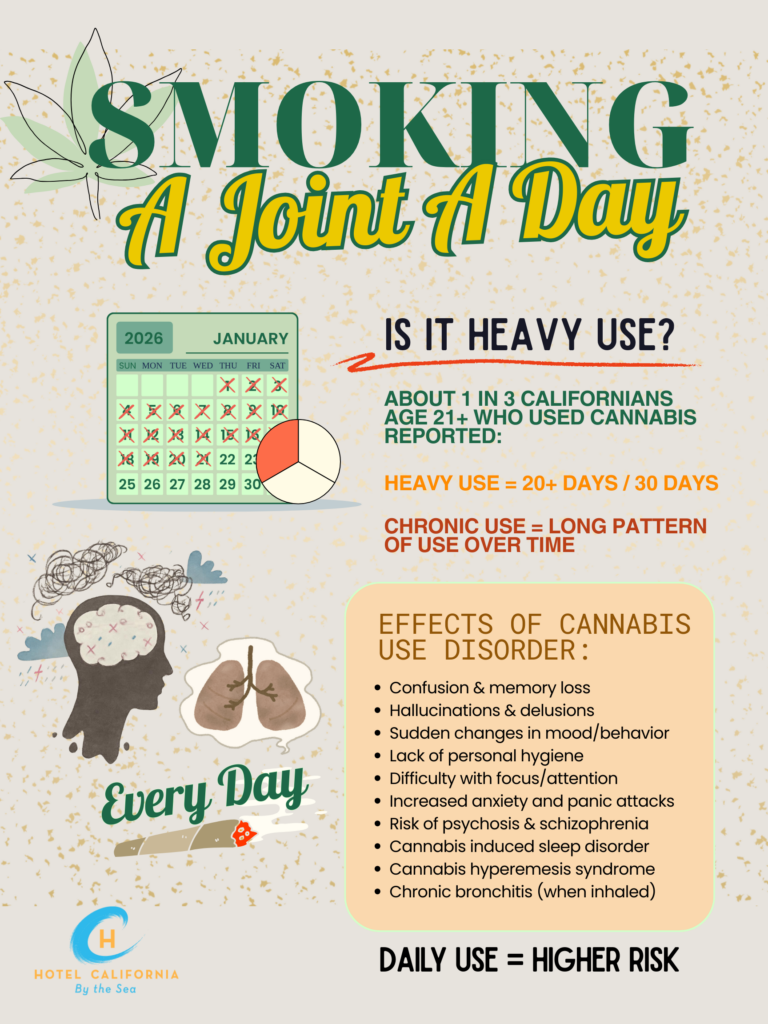
In 2023, about 1 in 3 Californians age 21 and over who used cannabis reported heavy use. But what constitutes heavy use? Can heavy use contribute to cannabis use disorder? Cannabis is one of the world’s most used drugs worldwide. In 2017, there were an estimated 188 million recreational users.
What is considered Heavy Cannabis Use?
According to the California Department of Public Health, heavy cannabis use is characterized by use of the substance for 20 or more days within the past 30 days of use. Cannabis substances include marijuana, hashish or other THC products.
However, the term “heavy use” can be very subjective based on context. In general, heavy use refers to frequent or excessive consumption of a substance that impacts one’s health, lifestyle or daily responsibilities.
When it comes to heavy cannabis use, it could mean daily or near daily consumption of the substance through smoking, vaping or eating. The effects and health implications of the drug will vary for each individual.
Is smoking a joint a day considered a heavy user?
Can someone smoking a joint of marijuana every day be considered a heavy user of the drug? Smoking one joint a day can be compared to moderate alcohol consumption. But it is also dependent on personal health outcomes and the impact of lifestyle for each user.
Many health professionals caution that a joint a day can be excessive. The effects can accumulate slowly over time, but can overall be significant to a person’s physical and mental health. But it is up to the user to monitor how smoking cannabis impacts their life.
In some places where cannabis is legal and more widely accepted, smoking a joint a day can be more socially acceptable and not considered heavy use. The legality of a drug doesn’t necessarily mean it is safe or healthy.
What is the difference between Heavy Use and Chronic Use?
Heavy use of a drug is different from chronic use of a drug. The main difference is the frequency and duration of use.
Chronic Use:
A chronic user is someone who uses marijuana regularly for a long period of time. This person may use it very often for days, months and years. They typically will have a hard time reducing or stopping drug use.
They become tolerant and dependent on the drug, which can then lead to the development of uncomfortable withdrawal symptoms when they do try to reduce or quit. Symptoms like irritability or restlessness are common and can impact both physical and mental health.
Chronic use focuses on the persons long term pattern of use over time. With chronic use of cannabis, the drug will begin to impact how the brain functions, influencing the brain’s reward system and making it more difficult for a person to feel pleasure.
Heavy Use:
Heavy use of cannabis is when a person uses the substance daily for weeks, months or years. It isn’t as much about how much you consume in one sitting, but how often you consume and for how long you consume the drug.
Heavy use of cannabis focuses on the quantity of the drug consumed in a short time frame. A person who smokes multiple joints a day may be considered a heavy user even if they only smoke once a week.
Consuming high-potency THC regularly and experiencing withdrawal symptoms such as insomnia and cravings are also signs of heavy use.
Cannabis Use Disorder
Cannabis use disorder is a complex mental health disorder characterized by dependence and difficulty caused by marijuana use. The problematic patterns of cannabis use can range from mild to severe.
THC is the main psychoactive component in cannabis that produces feelings of relaxation and pleasure. This is why some people can become addicted to this drug. The THC in marijuana sends massive surges of dopamine to your brain. The huge dopamine levels can affect your thoughts, feelings and behaviors. This means changing your thought process from doing things you need to do to survive to only wanting to consume cannabis to fuel dopamine levels.
Cannabis use disorder is one of the most common substance use disorders. It can significantly impact the brain, yet it is also rarely studied. This is due to a number of factors. In 2021, an estimated 5.8% of people in the US reported having a cannabis use disorder in the past 12 months. The prevalence of cannabis use disorder is highest among young adults with about 10% becoming daily users of the substance.
Daily use of cannabis, whether it is heavy use or chronic use, is one of the best predictors of developing cannabis use disorder.
Check Your Insurance Coverage for FREE
Find out if your insurance covers addiction treatment in minutes. We accept most insurance!
Signs of Cannabis Use Disorder
- Craving cannabis, thinking about it and desiring it often
- Using more of the drug than you intended
- Using cannabis despite its causing physical, psychological, and social harm
- Using cannabis in high-risk situations
- Trying but failing to quit cannabis
- Giving up on social activities in order to use cannabis
- Needing to use more in order to achieve the same effects
- Experiencing withdrawal symptoms when you attempt to stop or cut down on cannabis use
Effects of Cannabis Use Disorder
- Confusion
- Memory loss and difficulty learning – it can impair non-verbal learning and episodic memory
- Hallucinations and delusions
- Sudden changes in mood and behavior
- Lack of personal appearance and hygiene
- Secretive behavior around cannabis
- Difficulty with focus and attention – impairs attention control and the ability to have sustained and divided attention
- Increased anxiety and panic attacks – cannabis induced anxiety disorder
- Risk of psychosis and schizophrenia
- Cannabis induced sleep disorder
- Cannabis hyperemesis syndrome
- Chronic bronchitis when smoked or vaped
- Cognitive impairments leading to lower IQ
Reach out to Hotel California by the Sea
We specialize in treating addiction and other co-occurring disorders, such as PTSD. Our Admissions specialists are available to walk you through the best options for treating your addiction.
Treatment for Cannabis Use Disorder
In conclusion, smoking a joint a day can be considered heavy use depending on various factors such as individual health, lifestyle and personal outcomes. It can lead to physical side effects like lung issues. It can also lead to psychological effects like mental health issues.
Using cannabis daily or over a long period of time can lead to tolerance, dependence and addiction. Experts and medical professionals consider heavy or chronic cannabis use as a huge risk factor for developing cannabis use disorder.
Hotel California by the Sea is a behavioral health treatment program dedicated to helping people struggling with substance use disorders including cannabis use disorder. We offer treatment at all levels of care including detox, residential, PHP and IOP. We utilize evidence-based methods such as CBT, DBT and EMDR therapy. Hotel California by the Sea is dedicated to helping our clients reach their goals in sobriety and overcome their addiction.
References:
https://www.cdph.ca.gov/Programs/CCDPHP/sapb/cannabis/Pages/HeavyCannabisUse.aspx
https://pmc.ncbi.nlm.nih.gov/articles/PMC7027478
https://my.clevelandclinic.org/health/diseases/cannabis-use-disorder
https://www.yalemedicine.org/conditions/marijuana-use-disorder
https://sd-wellness.com/what-is-considered-a-chronic-user/
https://www.novarecoverycenter.com/addiction/what-is-considered-chronic-use-understanding-the-definition-risks-and-patterns/