
Long-term effects of Glue Sniffing
Sniffing glue is a cheap but very dangerous way young people use to get high. The prevalence of glue sniffing in the teen population is over 88%. Glue is a common household item; how dangerous can it really be? According to medical experts, the long-term effects of glue sniffing are far more severe than people realize. The risks can go beyond the immediate high and impact the entire body.
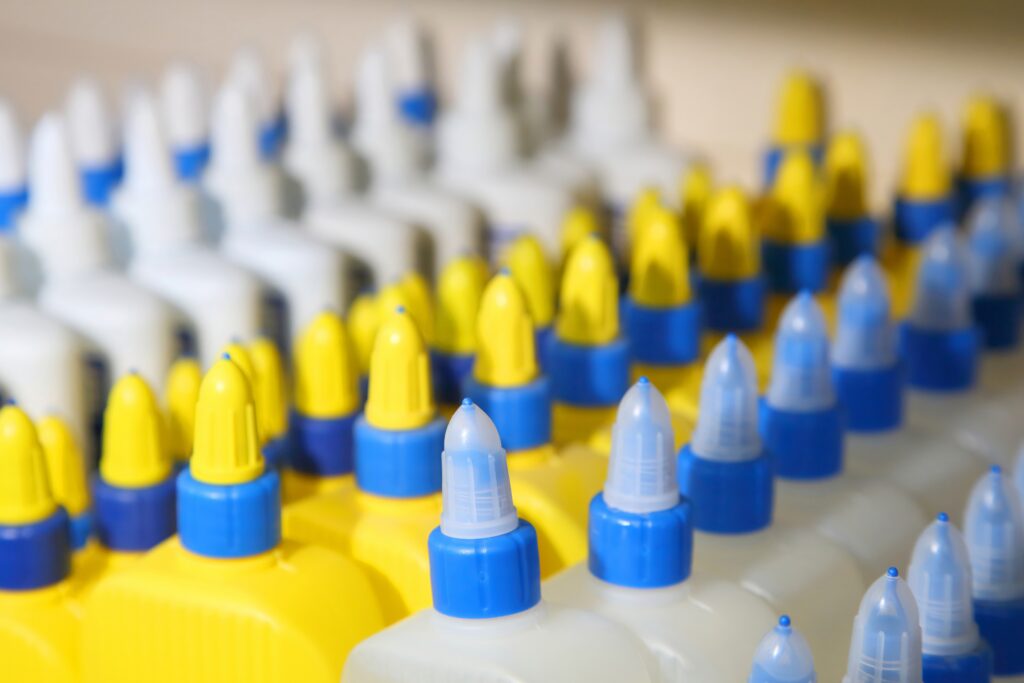
Glue sniffing is a form of inhalant abuse. It doesn’t involve illegal drugs, but it is a deliberate inhalation of toxic chemical vapors from common household products to get high. The danger comes from the chemical solvents. There is no safe level of inhalant use.
According to the National Institute on Drug Abuse, inhalant abuse is most common in teens, adolescents, and young people. They are cheaper and more accessible for young people who do not have the money to access typical drugs. It is often an overlooked form of substance abuse.
What are inhalants?
These substances are alarmingly accessible. They fall under the category of inhalants. Inhalants are chemicals that release gas fumes at regular room temperature.
Solvents. Solvents include paint thinner, glue and nail polish remover. Aerosols. Aerosols include spray paint, deodorant and computer duster. Gases. Gases include butane lighters and whipped cream dispensers. Nitrites. These substances are often sold as poppers.
Inhalant abuse consists of sniffing, huffing or chroming these chemicals in an attempt to get high.
How sniffing fumes can cause permanent bodily harm
Many inhalants, from glue to paint thinner, contain powerful solvents. The solvent’s job is to dissolve grease and sticky substances. When they are inhaled, these chemicals can’t distinguish between grime on the surface and fatty tissues in your body.
Brain cells and nerve cells are rich in fatty tissue and solvents are specifically designed to break down. When fumes are inhaled, they travel through the lungs and are directly absorbed into the bloodstream and to the brain. This becomes a direct chemical poisoning.

Long-term effects of Glue Sniffing
- Tremors
- Loss of sense of taste and smell
- Reduced memory concentration
- Mood changes
- Lasting brain damage
- Cardiovascular effects and heart rhythm disturbances
- Contact dermatitis
- Gastrointestinal issues
- Neurological issues
- Pulmonary issues like coughing or wheezing due to constant inhalation of toxins
- Acute renal failure
- Renal tubular acidosis
- Damage to the central nervous system by destroying certain nerve fibers in the brain and the peripheral nervous system, resulting in loss of motor and sensory function
- Damage to the liver, which reduces zinc concentration, leading to zinc deficiency and liver malfunction
- Neurotoxicity
- Brain damage caused by damage to the myelin sheath, which is the protective covering around the nerve fibers of the brain and nervous system
- Severe withdrawal symptoms when substance ingestion is suddenly stopped
- Acute respiratory failure that occurs when the toxins prevent sufficient oxygen from reaching your lungs and the rest of your body
Neurological damage from sniffing Glue
When the brain’s wiring becomes damaged from solvent exposure, the consequences can be alarming. The commands from the brain to the body can get lost or mixed up. This disruption can lead to progressive loss of control over one’s own body and affect everything from simple movement to the ability to speak clearly.
One of the most dangerous conditions that can cause this is called ataxia. Ataxia caused by inhalant abuse may make it difficult to walk in a straight line, experience constant muscle tremors, and have difficulty speaking. The physical decline is a direct result of neurological damage from toxic solvents destroying nerve pathways in the brain.
Brain damage from glue sniffing can also trigger severe cognitive decline. This is basically a chemically induced dementia. Your thinking becomes slowed and difficult, your short-term memory fails, and you lose the ability to retain and learn new things. It can also lead to personality changes, irritability and depression.
Ways to recognize if someone is sniffing glue or other solvents
Signs of chronic glue sniffing can often overlap with normal adolescent moodiness or behaviors and can be difficult to detect. However, there are several combinations of both physical and behavioral patterns that appear together that can be a sign of solvent abuse.
- Frequent nosebleeds or a runny nose
- Red eyes
- Sniffer rash around the nose and mouth, characterized by spots or sores around that area
- Nausea and vomiting
- Smelling of glue and chemicals on their clothes
- The appearance of intoxication
- Loss of concentration
- Paint or oil stains on clothing or the body
- Chemical odor in breath
- Stained fingernails
- Dazed appearance
- Slurred speech
- Forgetfulness
- Anorexia
- Anxiety
- Sleep issues
- Hiding empty spray cans, chemically soaked rags or other paraphernalia
Check Your Insurance Coverage for FREE
Find out if your insurance covers addiction treatment in minutes. We accept most insurance!
The most shocking risk: Sudden Sniffing Death Syndrome
Sudden sniffing death syndrome (SSDS) is an immediate and unpredictable condition that can occur due to huffing and sniffing household products. It can happen during the very first use. There is no way to predict who will be its victim.
The chemicals found in products like spray paint and cleaning fluids make the heart muscle extremely sensitive. If a person is suddenly scared or engages in brief physical activities while using, their body’s natural adrenaline response can be deadly. Unlike drug overdose, SSDS is not about the quantity consumed. The immediate reaction to the toxins can create vulnerability in a split second.
As many as 50% of inhalant-related deaths are caused by sudden sniffing death syndrome. It occurs when an inhalant abuser is startled and causes the release of a burst of catecholamines that can trigger ventricular fibrillation in the body.
The Bigger Dangers of Glue Sniffing
While the initial high from sniffing glue only lasts for a few moments, the psychological cost can last a lifetime. The chemicals don’t just damage physical coordination; they alter a person’s mind. As it continues, it becomes impulsive and then is referred to as inhalant use disorder. This is a recognized medical condition in which a person is unable to stop using solvent inhalants despite devastating consequences.
At this point, the chemicals have hijacked the brain’s control circuits, making it very difficult to quit without professional help. The desire to use becomes overwhelming, even when the person understands the risks and dangers.
Reach out to Hotel California by the Sea
We specialize in treating addiction and other co-occurring disorders, such as PTSD. Our Admissions specialists are available to walk you through the best options for treating your addiction.
Treatment for Substance Use Disorder
The high you get from sniffing glue only lasts for a few minutes and is not worth risking for your health. Glue is just one of many easily accessible household products often used by teens to get high. Inhalant abuse is a form of substance use disorder that many people often overlook.
Professional behavioral programs like Hotel California by The Sea offer support and treatments to help those who might be under the influence of toxic solvents. We offer treatment at all levels of care including detox, residential, PHP and IOP. We utilize evidence-based methods such as CBT, DBT and group therapy. Hotel California by The Sea is dedicated to helping our clients reach their goals in sobriety and overcome their addiction.
References:
https://www.healthline.com/health/sniffing-glue
https://www.healthdirect.gov.au/sniffing-inhalants
https://www.aafp.org/pubs/afp/issues/2003/0901/p869.html
https://addictionresource.com/drugs/inhalants/glue