Opana and Oxymorphone
In the current healthcare market, patients and caregivers are faced with an overwhelming choice when it comes to navigating the landscape of prescription medications. Opana and oxymorphone are among the most potent options to treat moderate to severe pain.
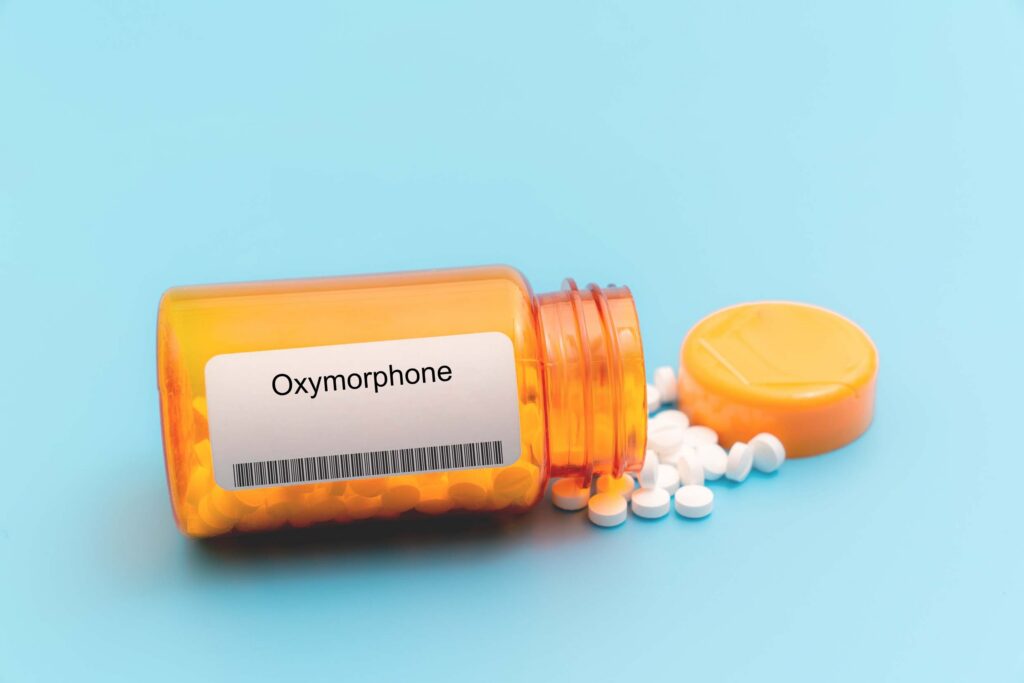
These medications can offer profound relief for those who are suffering from severe conditions. However, they also carry significant risk. Opana and oxymorphone are potent opioid analgesic pain medications that relieve pain by working on the central nervous system. Understanding the nuances of this powerful medication is critical for anyone who is prescribed it.
What is Opana?
Opana is the brand name for the drug oxymorphone hydrochloride. It is a Schedule II opioid narcotic that was FDA-approved to treat moderate to severe pain. It is a highly potent and addictive substance.
Oxymorphone is derived from thebaine, a naturally occurring alkaloid found in the poppy plant. It binds to the mu-opioid receptors in the central nervous system. It alters the way your brain and nervous system respond to pain signals and can provide immediate relief.
Oxymorphone is only available through a prescription. And only available through an Opioid Analgesic Risk Evaluation and Mitigation Strategy program, also referred to as REMS. Prescribers and pharmacies must register with the program and receive proper training on medication, which they then discuss with patients on how to safely take oxymorphone.
The use of oxymorphone in a clinical setting is strictly reserved for severe pain that cannot be managed with other types of treatment. Post-surgical pain, severe trauma or late-stage cancer are examples of when oxymorphone may be necessary.
Immediate and Extended Release Formulations
Prescribers can recommend this medication in different formats depending on the needs of the patient. Immediate release formations are designed to act quickly and can be helpful in managing acute breakthrough pain. They typically require dosing every 4-6 hours.
With extended-release forms, they are designed to release medication slowly into the bloodstream over 12 hours. They provide steady and around-the-clock pain relief for chronic conditions.
Due to its potent and high abuse nature, the extended release formation of the brand Opana was discontinued in 2017. The public health risks of abuse outweigh the drug’s benefits. This marked a major turning point in how opioid formulations are regulated. Many still refer to the generic version of the drug as Opana.
Potency of Opana
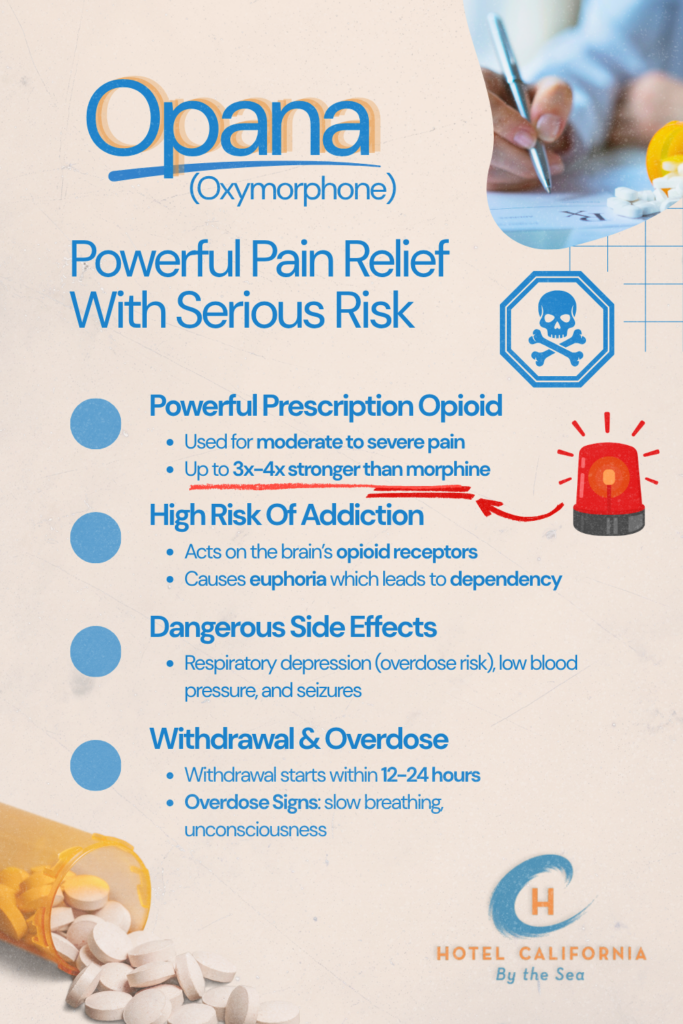
Is oxymorphone stronger than morphine? Yes. Oxymorphone is highly potent. When taken orally, it is about three to four times stronger than oral morphine. This high potency is typically reserved for those who experience severe pain, which is why it requires extensive medical supervision while on this medication.
Oxymorphone is also frequently compared to OxyContin. They are both highly effective in pain management. Oxymorphone is generally considered to be about twice as potent as oxycodone.
Effects of Opana
Opana can create the typical opioid side effects such as euphoria, extreme relaxation, respiratory depression, and risk of addiction. The drug alters the central nervous system and can bring unwanted physical reactions.
Common side effects include:
- Nausea and vomiting
- Dizziness and lightheadedness
- Severe constipation
- Drowsiness and fatigue
- Dry mouth and sweating
Dangerous risk factors include:
- Respiratory depression and slowed breathing can happen to anyone, even at recommended doses
- Risk of overdose
- Difficulty concentrating, reduced ability to think, react and focus
- Physical dependence and withdrawal symptoms can occur when you try to stop or drastically lower your dose
- Extremely low blood pressure
- Risk of seizure
Check Your Insurance Coverage for FREE
Find out if your insurance covers addiction treatment in minutes. We accept most insurance!
Metabolism, Detox and Tapering
How long does Opana stay in your system? This answer depends on many different factors, including the formulation of medication administered, biological effects and individual metabolism. In general, oxymorphone can remain detectable in urine for about 3 to 4 days and in blood for up to 24 hours.
It takes about 5 half-lives for the body to completely rid the system of the drug. With short-acting, immediate-release oxymorphone, the half-life is around 7 to 9 hours and can remain in the body for up to 45 hours. With long-acting extended-release oxymorphone, the half-life is around 9 to 11 hours and can remain in the body for up to 55 hours.
Because tolerance and dependence can occur with Opana, stopping medication abruptly can be dangerous. It can trigger withdrawal symptoms.
Detox and withdrawal timeline
- Days 1-2: Withdrawal can begin within 12 to 24 hours after the last dose. Symptoms can include severe anxiety, muscle aches, excessive yawning and a runny nose.
- Days 3-5: During this phase, it is when symptoms typically peak and patients experience nausea, vomiting, abdominal cramping, rapid heartbeat and severe cramps.
- Days 6 and beyond: The physical symptoms will subside, but psychological symptoms like depression, insomnia, and anxiety can linger on for weeks or months after.
It is recommended to gradually taper off oxymorphone by lowering your dose over the course of several weeks or months. This step-down approach allows the brain receptors to slowly adjust to functioning without the drug and can reduce the severity of withdrawal symptoms.
Overdose Awareness
To avoid dangerous interactions with oxymorphone and other opioid substances, it is important to understand the risk and importance of using a therapeutic dose. Abuse or misuse of oxymorphone is using the drug in any way that is not recommended by a healthcare provider. This includes crushing tablets and snorting the powder, or chewing the tablet. It can result in an uncontrolled delivery of the medication and an overdose.
In low to moderate doses, oxymorphone can help reduce the perception of pain and create feelings of well-being. At high doses of the drug, it can hinder the brain’s ability to regulate breathing and lead to respiratory depression and overdose.
Signs of overdose
- Loss of consciousness
- Slow, shallow or irregular breathing
- Blue or purplish lips and fingernails
- Pinpoint pupils
- Cold and clammy skin
- Limp body or extreme muscle weakness
If an overdose is suspected, administer Narcan (naloxone) immediately and call emergency services right away.
Reach out to Hotel California by the Sea
We specialize in treating addiction and other co-occurring disorders, such as PTSD. Our Admissions specialists are available to walk you through the best options for treating your addiction.
Treatment for Opioid Use Disorder
Opana and oxymorphone are incredibly powerful pain management drugs that are capable of improving the quality of life for those suffering from severe pain. But they absolutely come with potential for risk for addiction. Professional behavioral health programs like Hotel California by the Sea provide treatment for opioid use disorder.
We offer treatment at all levels of care including detox, residential, PHP and IOP. We utilize evidence-based methods such as CBT, DBT and family therapy. Hotel California by the Sea is dedicated to helping clients reach their goals in sobriety and overcome their addiction.
References:
https://www.mayoclinic.org/drugs-supplements/oxymorphone-oral-route/description/drg-20071555
https://www.therecoveryvillage.com/oxymorphone-hydrochloride-addiction/how-long-stay-in-system/
https://www.goodrx.com/oxymorphone/what-is?srsltid=AfmBOoqXYc0jrojU4zojKcmzA2GstwYHP51hIQgvG8pRi0SnC909iQq7
https://www.deadiversion.usdoj.gov/drug_chem_info/oxymorphone.pdf