
Does Adderall Make You Poop? Exploring Digestive Side Effects
Adderall can produce some strange side effects including digestive ones. Does Adderall make you poop? Yes, but not directly. Many people take their ADHD medicine and expect sharper focus, only to suddenly experience an undeniable urge to go. It helps to remember that stimulants don’t just speed up your brain. It also acts like a green light for other systems in your body including the digestive system.
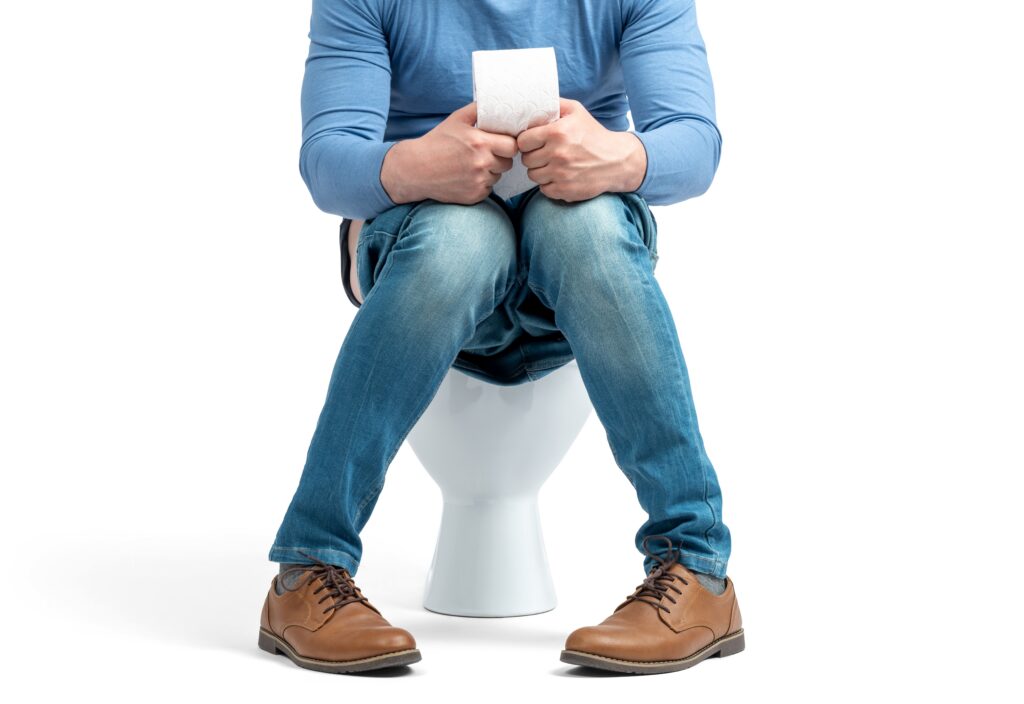
Professionals frequently hear about this phenomenon and it is medically referred to as stimulant-induced bowel urgency. According to clinical research, rapid digestion is a very common side effect of Adderall that many people don’t always talk about. You can compare it to morning coffee jitters, but more intense.
What is Adderall?
Adderall is a central nervous system stimulant that works to increase brain and body activity. It is a commonly prescribed ADHD medication. Stimulant prescription medications like Adderall are made up of amphetamines. It causes mood alterations and works by inhibiting the reuptake and release of dopamine and norepinephrine in the brain.
Amphetamines are a class of controlled substances. Despite being a doctor-prescribed medication, Adderall has a high potential for misuse, which can lead to dependence and addiction. Even taking the medication at therapeutic doses over a period of time can lead to psychological and physical dependence on the drug.
Does Adderall make you Poop? How amphetamines impact your digestion
Like your morning cup of coffee, Adderall not only wakes up your brain, it also stimulates the digestive process in the body. It can increase stimulation of the nervous system, leading to heightened gut motility, which is the continuous stretching and squeezing that pushes waste through your system.
The result: bowel movements, diarrhea or other GI discomforts. Other potential side effects of Adderall related to digestion include constipation, nausea, stomach pain and vomiting.
Your intestines are like a conveyor belt controlled by muscles. Normally, the system runs at a steady and predictable pace. But when you ingest Adderall, the muscles on the conveyor belt begin to crank up the speed at which it moves waste through. The laxative effect can rush your digestion and force waste towards the exit before your body is ready.
Because your body is rushing and pushing through the process, it tends to miss the phase in which it can absorb water and other nutrients of the foods you are eating. The colon usually acts like a sponge to draw out moisture to create stool. But in a fast-track system, it skips this whole process and can result in soft stool or diarrhea.
Your body is going into Fight or Flight mode
The digestive track has a mind of its own. When you take your medication, it can send signals throughout your entire body, including the enteric nervous system. This part of your body responds to stimulant acts and can wake up the nerves in your stomach and intestine and change how your body handles waste.
This can trigger the survival mechanism of the fight or flight response. During evolution, the human body is trained to prepare for sudden danger by offloading in order to run or defend ourselves more easily. Stimulants like Adderall can mimic this same intense adrenaline, which then creates forced muscle contractions in the body to immediately empty out your gut. This is a biological reflex trying to make you lighter for action.
Medications like Adderall are very complex. They can also reduce your appetite, which then drains moisture from your system. Your rapid digestion can make a complete U-turn and result in constipation.

Adderall Constipation
Adderall is known to cause intense bowel movements. On the other hand, it can also do the opposite and cause constipation. This is because of how the drug impacts moisture. You may experience the sensation of dry mouth after taking a dose of Adderall. The digestive tract can also experience this feeling.
A common side effect of Adderall is dehydration. There are a few signs that your guy may be paralyzed due to a lack of water.
- Persistent dry mouth
- Infrequent and difficult to pass bowel movements
- Noticeably dark urine
Typically, your intestines need water to keep the system moving smoothly. Without enough water, waste can become dry, hard and difficult to pass. This is the feeling of constipation.
Constipation is a chronic condition that produces irregular bowel movements or difficulty passing stool. Constipation is based on each person’s lack of bowel movements that can last several weeks at a time. It is an uncomfortable and extremely unhealthy condition that can impact a person’s ability to carry out everyday life activities.
Constipation is characterized by hard stool, straining during a bowel movement, incomplete evacuation of waste, bloating, and abdominal cramps. Adderall users often experience dehydration through sweating and a decreased sense of thirst. All of these contribute to constipation.
In addition to dehydration, Adderall also suppresses hunger, which means you naturally consume less fiber. Fiber is essential to helping your gut and keeping your system moving smoothly.
Check Your Insurance Coverage for FREE
Find out if your insurance covers addiction treatment in minutes. We accept most insurance!
Digestive Side Effect of Adderall
- Diarrhea – Faster bowel movement resulting in stool passing through the intestine too quickly.
- Stomach cramps and bloating because food does not have time to fully and efficiently process, where the body absorbs nutrients before it passes to waste.
- Risk of ischemic colitis – A condition that occurs when there is reduced blood flow to the colon. It can damage the inner lining of the intestine, causing sores and ulcers. This results in abdominal pain and blood in your stool.
- Risk of gangrene – A condition characterized by tissue death where there are holes in your colon, which then lead to internal bleeding and bowel blockage.
Ways to help manage stimulant-induced bowel movements
- Stay hydrated and eat a healthy diet. Eat enough fiber and probiotics. Adderall can suppress appetite and cause dehydration.
- Try eating smaller and more frequent meals, which prevents overloading the digestive system to help reduce discomfort.
- Exercise regularly to help improve and stimulate gut motility. Gut motility is the movement of food through the body and is a key factor in digestive health.
- Change your dosage. With the help of your healthcare provider, try changing up the Adderall dosage to see if it can help reduce digestive symptoms.
- Practice stress management.
- Try natural remedies.
- Avoid certain substances, supplements or other medications that can further irritate the digestive system.
- Avoid taking your medication on an empty stomach. Food can help provide a barrier cushion.
Reach out to Hotel California by the Sea
We specialize in treating addiction and other co-occurring disorders, such as PTSD. Our Admissions specialists are available to walk you through the best options for treating your addiction.
Treatment for Substance Use Disorder
Adderall is a stimulant medication that can impact the digestive tract in many different ways. One of the most commonly asked questions is “Does Adderall make you poop?” In some cases, it can stimulate the digestive system to the point where waste needs to be evacuated immediately from the body. In other cases, it can lead to bloating, stomach cramps and constipation. These are very common side effects of Adderall use.
However, Adderall is a stimulant and can lead to the development of an amphetamine use disorder when the medication is abused. Professional behavioral health programs like Hotel California by the Sea provide treatment for stimulant addiction disorders. We offer treatment at all levels of care including detox, residential, PHP and IOP. We utilize evidence-based methods such as CBT, DBT and EMDR therapy. Hotel California by the Sea is dedicated to helping clients reach their goals of sobriety and overcome their addiction.
references:
https://www.medicalnewstoday.com/articles/drugs-adderall-side-effects
https://definingwellness.com/resources/can-amphetamines-cause-constipation/
https://yourhealthmagazine.net/article/gastroenterology/can-adderall-affect-your-digestive-health-and-cause-bowel-movements/
https://www.singlecare.com/blog/why-does-adderall-make-me-poop/
https://www.healthcentral.com/article/adderall-gastrointestinal-side-effects
https://www.healthline.com/health/does-adderall-make-you-poop-2