What are the Signs of Morphine Abuse?
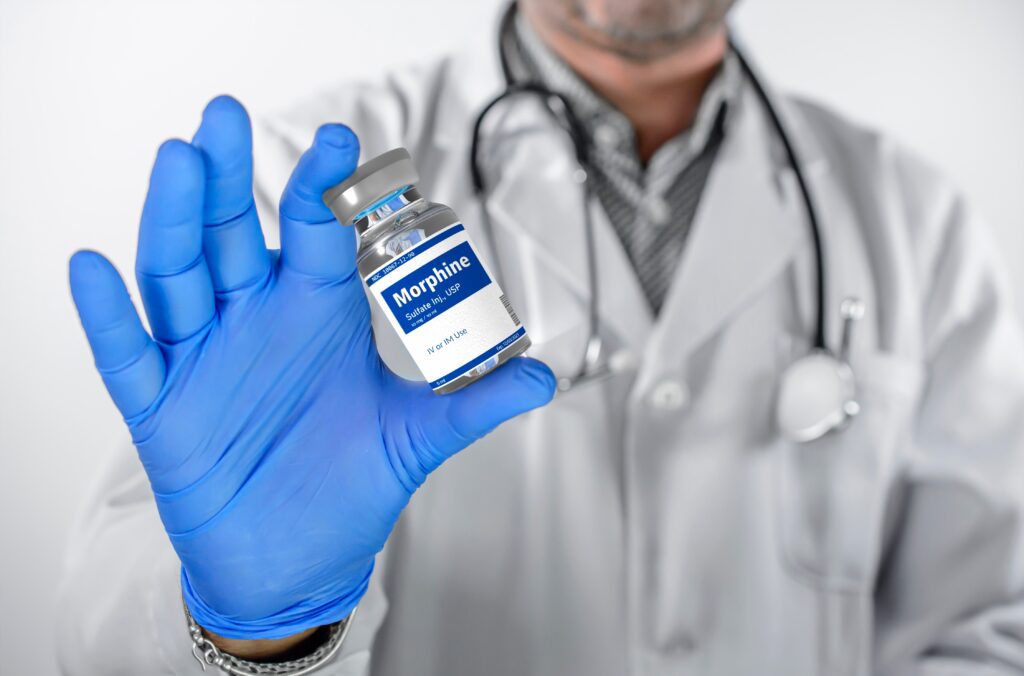
Morphine is a naturally occurring opiate that is one of the oldest and most frequently prescribed medications for pain management. It is powerful and considered the gold standard for treating severe pain. However, the unique properties of this substance make it an incredibly effective analgesic, which can become highly addictive. This is when it is important to understand the signs of morphine abuse.
In 2020, more than 4.3 million morphine prescriptions were used by over 660,000 Americans. In 2021, more than 81,000 Americans died from opioid overdoses, and more than 13,500 of those deaths were reportedly linked to the use of opioids such as morphine.
When a legitimate morphine prescription goes out of control, the line between medical use and substance use can easily be blurred. Knowing the signs of morphine abuse and addiction is important for early intervention. The central nervous system depressant easily binds to the opioid receptors in the body and activates the brain’s reward system to produce euphoria and pleasure.
More about Morphine
Morphine is a naturally occurring opiate derived from the poppy plant. It has been used for more than two centuries. The primary goal of using morphine is to provide pain relief. When ingested, it travels through the bloodstream and binds to the mu-opioid receptors in the brain and spinal cord. It interrupts and blocks pain signals from reaching the brain as well as triggering a large release of dopamine, the feel-good chemical.
The combination of the two actions creates an artificial sense of intense euphoria and deep relaxation. Over time, the brain comes to rely heavily on this process to feel normal and stops producing dopamine naturally.
Morphine is a Schedule II Controlled Substance and when prescribed medically, it is often used for pain in post-surgical care, traumatic injury, palliative care or cancer care. Recently, between 1999 to 2020, there has been an alarming uptick in overdose deaths involving opioids such as morphine. Today, the opioid overdose epidemic has turned into a public health crisis with synthetic opioids at the forefront.
In the US, some of the morphine products are made by pharmaceutical companies, while the rest are processed into codeine and other types of derivatives. Morphine was traditionally administered by injection. Today, it is available in a variety of forms, including oral tablets in immediate and extended release, capsules and injectables.

What are the Signs of Morphine Abuse?
A person’s body is very good at revealing their struggles with substance abuse. There are many physical indicators, behavioral signs and cognitive signs of morphine abuse. With repeated use, users can transition from swallowing a pill to crushing it to injecting it to produce a more intense high. This leads to the development of tolerance and dependence on morphine.
Physical Signs
- Pinpoint pupils
- Slurred speech and clumsiness
- Excessive sedation
- Slowed respiration or respiratory depression
- Chronic and severe constipation
- Cravings for morphine
- Morphine withdrawal symptoms
Behavioral Signs
- Compulsive drug-seeking behavior
- Secrecy and isolation from others
- Neglect of responsibilities
- Using morphine in risky situations
Cognitive Signs
- Confusion
- Hallucinations
- Low impulse control
- Decreased attention span
- Anxiety and depression
- Brian fog
- Impaired memory
The dangers of Opioids and Morphine Abuse
Opioids are powerful substances. The official opioid crisis was declared a nationwide public health epidemic back in 2017. According to data from the CDC, an estimated 87,000 drug overdose deaths occurred from September 2023 to September 2024.
Opioid receptors linger in various organs throughout the body and brain. It is involved in many aspects of functioning like pain, breathing and intestinal functioning. Opioid receptors cannot tell the difference between opioids that are made naturally by the body, such as endorphins, opioids that are produced by plants, such as morphine, or opioids that are created in a lab, such as fentanyl.
There are many types of opioids. Plant-based opioids include morphine, heroin and kratom. Semi-synthetic opioids include hydrocodone and oxycodone. Fully synthetic opioids include fentanyl. Some opioids fall under the category of prescription medications that are used to treat acute pain and chronic pain. And some opioids fall under the category of illicit and recreational substances.
Check Your Insurance Coverage for FREE
Find out if your insurance covers addiction treatment in minutes. We accept most insurance!
How to recognize Morphine Addiction in a loved one
Figuring out how to recognize morphine addiction in a loved one can be difficult and exhausting. Most times, family members are in a state of denial about the whole situation. It is helpful to know the universal signs of addiction and specifically of opioid addiction.
Some general signs of drug abuse to look out for include sudden, unexplained financial issues. This is because morphine purchased from the street is expensive and if a loved one is constantly borrowing money or maxing out credit cards, this can be a red flag.
They may also suddenly disappear for long periods of time in order to use morphine and recover from morphine use. You notice them taking a larger amount of morphine over a longer period of time. You notice they are developing problems with work or school and continuing to use morphine despite the interpersonal issues it seems to be causing.
You may also even notice their continued use of the drug despite developing physical and psychological problems stemming directly from drug use. An addiction to morphine is a form of opioid use disorder.
Severe Risks of Morphine Abuse and Addiction
Chronic morphine consumption can be very dangerous. With continued use, users will eventually build a tolerance. They will require higher and more frequent doses to achieve the same effects.
When the central nervous system is depressed too much, the body can forget how to perform vital functions such as breathing. When breathing becomes impaired to the point where a person has difficulty breathing or stops breathing altogether, they have overdosed.
Someone who has overdosed will turn extremely pale, have clammy skin, have a bluish or purplish tint to the lips and fingernails, and their body will become completely unresponsive to loud noises or physical pain.
Taking Action: How to help a loved one
If you recognize the signs of morphine abuse and addiction in a loved one, there are a few actionable steps you can take to help them.
- Educate yourself first about the issues before speaking to them. Recognize and understand that addiction is a complex brain disease that is not a moral failing.
- Choose the right moment to have a serious conversation with them. Find a quiet and private time when they are sober to talk to them.
- Avoid accusatory language and express your feelings in a way that you are concerned about their health and emotional well-being.
- Set healthy, firm boundaries to protect your own well-being. Do not enable problematic behavior.
- Offer solutions, not just criticism. Have a plan ready and research local centers or support groups you can encourage your loved one to look into if they express they are willing to change.
Reach out to Hotel California by the Sea
We specialize in treating addiction and other co-occurring disorders, such as PTSD. Our Admissions specialists are available to walk you through the best options for treating your addiction.
Treatment for Morphine and Opioid Use Disorder
Overcoming an opiate addiction almost always requires professional intervention and support. Knowing the signs of morphine abuse can help patients seek out a safe and effective treatment path to recovery. Professional behavioral health programs like Hotel California by the Sea provide treatment for morphine addiction.
We offer treatment at all levels of care including detox, residential, PHP and IOP. We utilize evidence-based methods such as CBT, DBT and EMDR therapy. Hotel California by the Sea is dedicated to helping clients reach their goals of sobriety and overcome their addiction.
References:
https://www.addictioncenter.com/opiates/morphine
https://www.dea.gov/factsheets/morphine
https://pmc.ncbi.nlm.nih.gov/articles/PMC6747116
https://www.psychiatry.org/patients-families/opioid-use-disorder
https://anrclinic.com/blog/morphine-addiction