
Does Alcohol Poisoning mean getting your Stomach Pumped?
You’re having a night out with friends and it suddenly takes a turn for the worse when someone in the group has overdosed on alcohol. They are lying unconscious on the sofa. What do you do? For decades, it’s been assumed that getting your stomach pumped for alcohol poisoning was the consequence of severe binge drinking.

However, this is not as accurate as people think. The reality is much more complex. Stomach pumping is an emergency medical procedure that sucks out the contents of your stomach. It is also known as gastric suctioning or gastric lavage.
While this procedure still exists, emergency medicine has evolved since. Alcohol overdose or alcohol toxicity doesn’t automatically mean resorting to a stomach pump. There are other modern protocols and guidelines that are followed when managing alcohol toxicity.
How to Recognize Immediate Danger
It’s important to understand what alcohol toxicity actually is. Alcohol is a central nervous system depressant and when consumed in large quantities, it can quickly shut down areas of the brain that control life-sustaining functions. This includes breathing, heart rate and body temperature.
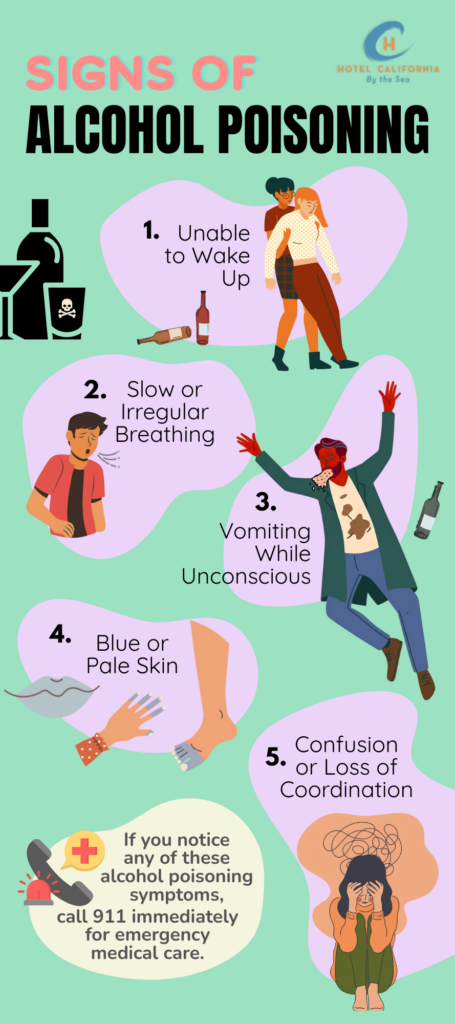
Alcohol toxicity or alcohol poisoning symptoms include:
- Slurred speech
- Confusion
- Loss of coordination
- Profound confusion or stupor, when a person cannot be awakened.
- Vomiting while unconscious can be a major choking hazard.
- Irregular breathing and slowed breathing.
- Hypothermia, when the body temperature is extremely low and accompanied by pale or blue-tinged skin.
If you observe any of these symptoms in a person, they need immediate emergency intervention for acute alcohol poisoning. You need to call 911.
What does it mean to get your Stomach Pumped?
Stomach pumping is a medical procedure that suctions out the contents of your stomach. It is not a very common procedure. This procedure can be used for a variety of reasons.
- Toxic ingestion: If you swallow poison
- Gastric outlet obstruction
- Small bowel obstruction
- Intractable nausea and vomiting
- If you overdose on pills
- It can be used to clean out excess bleeding from a hemorrhage from upper GI bleeding.
- Severe alcohol poisoning
Getting your stomach pumped is NOT a routine treatment for alcohol poisoning. It is actually very rare and is reserved for cases of difficult situations. It is more common to treat alcohol overdose with IV fluids, oxygen, vitamins and care monitoring while the body metabolizes the toxins.
The reality of getting your stomach pumped
So when is it necessary to get your stomach pumped for intoxication? Today, it is only reserved for highly specific and life-threatening situations. Liquid alcohol is absorbed through the stomach lining into the bloodstream very quickly. Within about 30 to 60 minutes, alcohol can reach the bloodstream. So attempting a stomach pump on a person who stopped drinking two hours before is ineffective because the alcohol has already made its way out of the stomach and into the bloodstream.
Alcohol absorbs very quickly. The process is faster than many people realize. Because of this, stomach pumping is typically only reserved for when a patient has consumed a lethal amount of alcohol within the hour. Stomach pumping can also be effective if the patient has swallowed a dangerous combination of alcohol and prescription pills. Otherwise, this procedure is rarely used.
How does it work?
When the patient arrives at the emergency room and is unresponsive, the medical staff will quickly assess the patient’s airway, breathing and circulation. Blood tests will determine the exact blood alcohol concentration for emergency intervention. If the BAC is climbing rapidly due to recently consumed alcohol, then getting a stomach pump may be necessary.
If it is determined that unabsorbed alcohol toxins in the stomach are a fatal threat, a stomach pumping procedure will be initiated.
First, if a patient is unconscious, a breathing tube may be inserted to protect the lungs.
Next, the doctor will perform a nasogastric tube insertion for the stomach, which consists of passing a flexible tube through the nose or sometimes the mouth, down the esophagus, into the stomach.
Small amounts of water or saline solution are pumped into the stomach for flushing. This irrigation helps to collect your stomach contents and keeps the tube open to prevent blockages.
Now the liquid is mixed with the unabsorbed alcohol and stomach contents and is suctioned back out through the tube. This washing cycle is then repeated until the fluid suctioned out appears completely clear.
Check Your Insurance Coverage for FREE
Find out if your insurance covers addiction treatment in minutes. We accept most insurance!
Risks and Complications of Stomach Pumping
Stomach pumping is a highly invasive procedure that carries significant risks. The most severe danger is gastric aspiration during alcohol treatment. Aspiration occurs when the stomach contents bypass the esophagus and accidentally enter the lungs. Alcohol severely depresses the gag reflex. This means an unconscious patient cannot cough up the fluids stuck in the lungs.
This is also known as aspiration pneumonia. Preventing this from happening is a top priority for emergency room medical staff, which is why comatose patients are often intubated before attempting to have a stomach pump.
Other risks can include:
- Vocal cord spasms
- A hole in the esophagus
- Minor bleeding
- Injury from the tube being inserted into the esophagus or stomach.
- Misplacement of the tube into the airways instead of the stomach
- Cardiac arrhythmias if the tube triggers a specific nerve in your body
Why do medical professionals treat intoxication differently today?
So how do doctors treat severe alcohol poisoning? The foundation of treatment for alcohol poisoning focuses on supportive care. The liver can only process about one standard drink per hour; the medical team typically works to support the vital organs while the body works to metabolize the alcohol.
Standard treatments include:
- Intravenous Fluids – To treat severe dehydration and electrolyte imbalance.
- Oxygen therapy – Patients are provided oxygen via nasal cannula or a ventilator.
- Vitamins and glucose – Thiamine and glucose are often administered to the patient to prevent brain complications and stabilize the blood sugar.
Post-Procedure Care
Once the stomach is cleared, the medical team will continue to monitor the patient. BAC levels will be checked, hydration levels will be checked, blood pressure will be checked and heart rate and oxygen levels will be monitored. Patients won’t be discharged until they are fully conscious and able to walk unassisted. An acute overdose severe enough to warrant a gastric lavage is treated as a serious medical wake-up call. Patients will often be provided with resources for mental health and substance abuse counseling before leaving the hospital.
Reach out to Hotel California by the Sea
We specialize in treating addiction and other co-occurring disorders, such as PTSD. Our Admissions specialists are available to walk you through the best options for treating your addiction.
Treatment for Alcohol Use Disorder
Getting your stomach pumped for alcohol poisoning is a major last-resort intervention. Though this procedure exists, it is no longer part of standard treatment for alcohol overdose and only highlights the continued dangers of binge drinking and problematic alcohol consumption.
Professional behavioral treatment programs like Hotel California by the Sea provide the support, tools and resources clients with alcohol addiction may need. We offer treatment at all levels of care including detox, residential, PHP and IOP. We utilize evidence-based methods such as CBT, DBT and group therapy. Hotel California by the Sea is dedicated to helping clients reach their goals in sobriety and overcome their addiction.
References:
https://my.clevelandclinic.org/health/treatments/24587-stomach-pumping
https://strbehavioralhealth.com/blog/what-happens-when-you-get-your-stomach-pumped/
https://www.northpointrecovery.com/blog/how-getting-stomach-pumped-for-alcohol-works/
https://illinoisrecoverycenter.com/stomach-pump