
Xylazine Skin Ulcers: Drug Addiction’s Dangerous Consequence
The modern addiction crisis has taken many twists and turns over the decades, with the latest being the emergence of a powerful veterinary tranquilizer infiltrating the illicit street market. Xylazine has emerged as a contaminant in the street drug supply, leading to many consequences, including painful skin ulcers. Xylazine skin ulcers are a result of the evolution of new drug combinations.
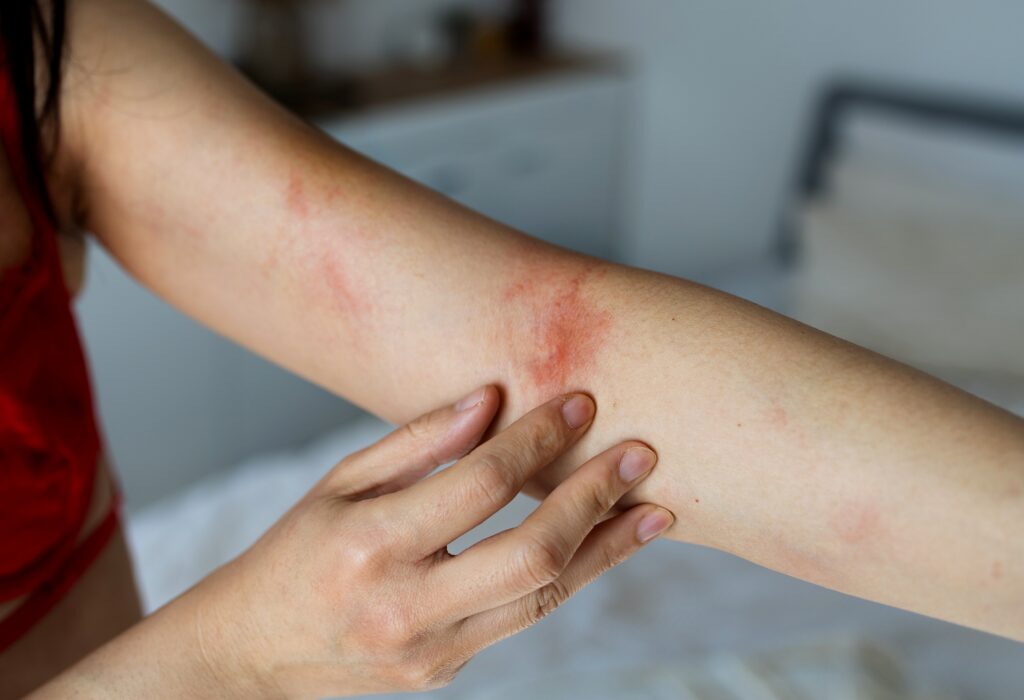
The added contaminant can leave severe, rapidly spreading and non-healing wounds that can eventually threaten life and limb. Authorities are now finding more and more of the opioid drug supply has been altered with the addition of xylazine.
Xylazine was initially found in the street drug supply in Puerto Rico over two decades ago, according to the DEA. But it has now been found in many other illicit drug supplies, especially with fentanyl. One of the biggest side effects of xylazine in the drug supply is its physical impact, causing skin infections, blisters, abscesses and painful skin ulcers.
What is Xylazine?
Xylazine is an alpha-2 adrenergic receptor agonist that has emerged as a popular contaminant in the street drug supply of fentanyl. It is used in veterinary medicine for sedation and muscle relaxation. The central nervous system depressant works by blocking the release of norepinephrine.
This can result in effects such as hypotension, bradycardia, respiratory depression and even amnesia. One common trait of the substance when used in humans is the development of painful and severe wounds all over the body.
This heavy tranquillizer has a rapid onset of five minutes or so and sedates users for long periods, sometimes even lasting up to eight hours. The duration of effects depends on the dosages, the method of consumption and whether or not it was mixed with other drugs like fentanyl.
Wounds can occur at the injection site and even when the substance is smoked or snorted. The infection can begin as a small bump or blister or even with a patch or scab of dead skin. It can quickly spread across the body, getting worse. Wounds can become infected, turning into xylazine skin ulcers that, in extreme cases, can lead to limb amputation.

How Xylazine entered the Illicit Drug Market
Xylazine was originally developed as a non opioid sedative that is FDA-approved for veterinary use on large animals like horses and cattle. It was never and has never been approved for human consumption. But in the past decade, drug cartels have begun introducing this substance into the illicit drug supply as a synthetic cutting agent. It is easily accessible and relatively cheap.
Drug suppliers mix in Xylazine as an adulterant to bulk up their products and maximize their profits. Adulterants are substances added to a product but not listed as an ingredient, or a substance that ends up in the products by accident when it is manufactured. Meaning, street dealers don’t have to declare them when selling their products.
Xylazine increases traffickers’ profits while reducing the amount of fentanyl or heroin in the mixture. It is also used to extend the euphoric effects of short-acting synthetic opioids such as fentanyl.
According to data from the DEA, xylazine-positive overdose deaths in the U.S. have increased by an estimated 282% from 2020 to 2021. Reports reiterate that this is just an underestimation of the actual amount because the CDC doesn’t include Xylazine in its national fatal overdose statistics. On top of that, not all jurisdictions routinely test for xylazine in their postmortem toxicology.
According to research from the Philadelphia Department of Public Health, in 2021, an estimated 90% of their street opioid samples contained xylazine. This dangerous substance has made its presence known in the street drug market.
The impact of Xylazine on Addiction
The introduction of the tranquilizer has dramatically changed the landscape of substance addiction in America. Xylazine is a powerful substance that can cause serious side effects and even complicate the addiction recovery process.
Since the substance is not an opioid, the effects cannot be reversed with drugs like Narcan, which is used in opioid overdoses. This makes it more challenging to treat. Furthermore, managing xylazine withdrawal has proven to be very difficult and complex. Withdrawal is characterized by extreme anxiety, severe hypertension, migraines and rapid heart rate.
There is currently no guideline for the treatment of xylazine. This means each case will be different and require specialized medical detox and treatment methods that mostly treat symptoms of the drug dependency.
Dangers of Xylazine Skin Ulcers
One of the most terrifying aspects of drug addiction is its physical toll on the body. Xylazine can cause skin lesions and skin ulcers. It is a potent vasoconstrictor, which rapidly and severely tightens blood vessels. This extreme constriction can drastically restrict vital oxygen and blood flow to the skin, leading to skin issues.
So what are xylazine skin ulcers? Xylazine is associated with necrotic skin ulcerations. Without oxygen, the skin cells can suffocate and begin to die off. This creates deep drug-induced skin ulcers, impaired healing of surface wounds and increased risk of infection.
Unlike traditional injection site skin injuries, which occur where the needle enters the skin, xylazine skin ulcers can spontaneously appear anywhere on the body. With repeated use of the drug, abscesses, ulcers and sores can appear and become infected.
Check Your Insurance Coverage for FREE
Find out if your insurance covers addiction treatment in minutes. We accept most insurance!
Recognize the signs of a Xylazine Skin Ulcer
Identifying the physical damage early on can save limbs and lives.
Initial signs to look for:
- Fever and chills
- Swelling
- Increased pain
- Changing skin color
It is important to recognize these signs of skin rot because the damage follows a specific pattern of skin necrosis.
- Stage 1. Subtle, small and discolored blisters or scabs that can resemble bug bites or localized bruising.
- Stage 2. The small lesions can break open into shallow wounds that expand rapidly across the skin surface.
- Stage 3. Tissue damage can deepen into muscle and fat layers, accompanied by a foul smell and signaling bacterial infection.
- Stage 4. Severe necrosis can set in where tissues begin dying, turning black and infecting all the way through skin tissue to the bone.
What is the difference between an abscess and xylazine skin ulcer? An abscess is a localized, pus-filled lump trapped under the skin and usually caused by direct bacterial infection at the injection site. A xylazine skin ulcer is an expanding open wound characterized by decaying tissue that can manifest in any part of the skin away from any point of injection.
How to treat Ulcers and the need for Medical Intervention
When it comes to xylazine skin ulcers, proper wound management is a daily battle. Gently clean the wound with mild soap and water or a sterile solution. Keep the wound moist by applying medical-grade ointments to prevent them from drying out. Change the bandages daily or frequently if they become soiled or wet. For more advanced tissue decay, professional medical treatment will be needed. Because open wounds can easily trap bacteria from the environment, medical doctors will often prescribe targeted antibiotic treatments to prevent the spread of infection.
Leaving the open wounds unattended increases the risk of sepsis. Sepsis is a life-threatening immune response to an injection that can lead to multi-organ failure and death. It is important to seek out medical attention if you suspect you might have xylazine skin ulcers.
Reach out to Hotel California by the Sea
We specialize in treating addiction and other co-occurring disorders, such as PTSD. Our Admissions specialists are available to walk you through the best options for treating your addiction.
Treatment for Substance Use Disorder
The prevalence of xylazine skin ulcers from drug addiction is a devastating byproduct of an unregulated and dangerous drug supply. Professional behavioral programs like Hotel California by the Sea offers opioid addiction treatment. We offer treatment at all levels of care including detox, residential, PHP and IOP. We utilize evidence-based methods such as CBT, DBT and EMDR therapy. Hotel California by the Sea is dedicated to helping clients reach their goals in sobriety and overcome their addiction.
References:
https://pmc.ncbi.nlm.nih.gov/articles/PMC1040224
https://nida.nih.gov/research-topics/xylazine
https://www.health.ny.gov/publications/12044.pdf
https://drugfree.org/article/xylazine-wound-care-treatment-prevention-and-safe-practices/