Amphetamine Addiction
Amphetamines are a class of stimulant-based drugs that can be life-changing when prescribed for medical conditions such as ADHD or narcolepsy. There are prescription-based amphetamines as well as illicitly manufactured amphetamines. They help individuals maintain focus and regulate impulses. But they also have a high potential for misuse, which can lead down the path of amphetamine addiction.
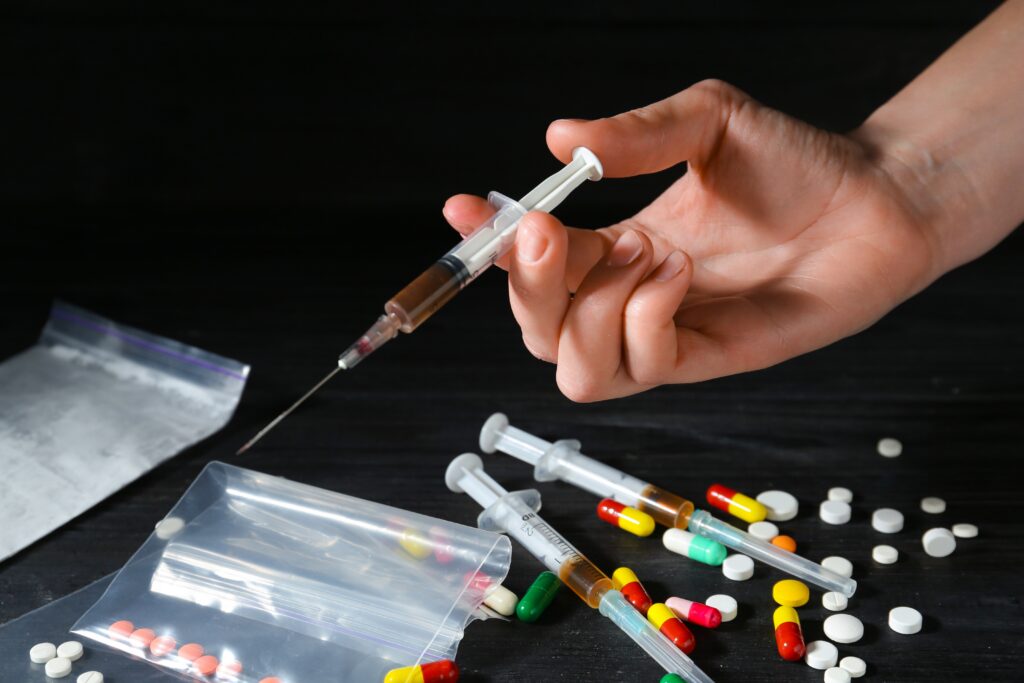
Amphetamines were originally prescribed as an appetite suppressant to treat symptoms of obesity under the brand name Benzedrine. But due to reports of malnutrition, psychosis, depression and substance withdrawal, doctors stopped prescribing the amphetamines for weight loss. The side effects were too severe. Today, amphetamines are routinely prescribed to treat symptoms of ADHD.
What can start off as an easy, quick way to boost academic focus or energy can rapidly spiral into a compulsive cycle of drug abuse. In 2020, an estimated 5.1 million people in the U.S. reported misusing prescription amphetamine stimulants like Adderall. Today, Adderall is one of the most popular amphetamines being abused.
Prescription Amphetamines vs Illicit Amphetamines
Amphetamines are stimulant drugs. They can be classified as methamphetamine, dextroamphetamine and methylphenidate. Amphetamines were first discovered in the 1880s and synthesized in the late 1920s. They make your body release extra dopamine and norepinephrine, important neurochemical messengers that occur naturally in our body. Many amphetamines are Schedule II stimulants with some medical use and high potential for abuse.
Amphetamines can be legal prescriptions as well as illicit street drugs. While both substances belong in the same pharmacological class, their chemical structures, manufacturing process and overall impact on the brain are slightly different.
Prescription medications like Adderall, Ritalin or Dexedrine are legally manufactured under pharmaceutical regulations to treat specific, diagnosed medical conditions. These conditions include ADHD, narcolepsy or obesity. When taken as directed by a physician, they are generally safe and effective.
Illicit amphetamines like crystal meth are manufactured in unregulated and often unsanctioned labs and are frequently mixed with toxic and unpredictable chemicals. Methamphetamine can cross the blood-brain barrier much faster than pharmaceutical amphetamines, which results in a more intense and highly addictive high.

The development of Amphetamine Addiction
Amphetamines work by flooding the brain’s reward center with dopamine, the neurotransmitter responsible for processing pleasure, motivation and sustained focus. Over time, with constant use of amphetamines, the brain will adjust to the artificial flood by naturally reducing its own production and shutting down specific receptors.
This chemical adaptation can lead to a profound dopamine depletion with mood swings the moment the drug’s effects begin to wear off. Users may feel depressed or highly irritable during this crash phase, which then leads them to continue using the substance in order to feel “normal.”
Physical Side Effects of Amphetamine Abuse
- Low or high blood pressure
- Rapid heart rate
- Abdominal pain
- Loss of appetite
- Blurred vision
- Dry mouth
- Teeth grinding and other dental problems
- Profuse sweating
- Nasal congestion
- Increased likelihood of seizures
- Faster and deeper breathing
- Decreased appetite leading to drastic weight loss
Psychological Effects of Amphetamine Abuse
- Euphoria and elevated mood
- Increased alertness and focus due to central nervous system stimulation
- Apprehension
- Anxiety and agitation
- Insomnia and disturbed sleep
- Development of obsessive behaviors
- Impaired judgment and decision-making due to impaired cognitive function
- Paranoia, hallucinations and delusions
Check Your Insurance Coverage for FREE
Find out if your insurance covers addiction treatment in minutes. We accept most insurance!
Long-term dangers of Amphetamine Addiction
The long-term effects of amphetamine addiction can deeply impact the internal system in the body.
Cardiovascular damage remains the biggest life-threatening concern because the user’s heart is constantly forced to work on extreme overdrive for extended periods of time. This can lead to chronic heart issues like severe arrhythmias, structural damage and acute heart attack.
Chronic abuse and addiction also heavily impact mental health. The presence of co-occurring mental health disorders in combination with stimulants is dangerous. Those who are actively abusing amphetamines can experience exacerbated feelings of anxiety, debilitating depression and substance-induced psychosis. This can also lead to auditory and visual hallucinations.
Amphetamines vs Methamphetamine
Methamphetamine is a type of amphetamine stimulant drug. Prescription methamphetamines have FDA approval to treat ADHD. While prescription amphetamines have FDA approval to treat a wider range of conditions including ADHD, narcolepsy and obesity.
Methamphetamine tends to be a stronger drug that can be manufactured more cheaply on the black market and produces a short-lived high. This means the onset of effects of the drug comes on more quickly and fades away just as quickly, making it more appealing to continue use in order to maintain the same effects.
Methamphetamine is a stronger and more addictive substance. Methamphetamine prescriptions are also not as common compared to amphetamine prescriptions. This is because of the riskier side effects such as dependency and addiction. In addition, the ability of amphetamines to treat multiple conditions compared to a single condition is another reason this drug is used more often.
Taking Action: How to support someone with an Amphetamine Addiction
Watching someone you love slowly succumb to a dangerous addiction is a heartbreaking experience. Often, amphetamine users are too deep in denial to understand the absolute severity of their addiction.
It is important to create a dedicated support team consisting of close friends and family. Consider consulting a certified professional, whether it is an addiction medical specialist or someone who offers mental health counseling services. Set boundaries and present a clear plan of action for your loved one for treatment. This could be the tipping point for your loved one to get the help they need.
Reach out to Hotel California by the Sea
We specialize in treating addiction and other co-occurring disorders, such as PTSD. Our Admissions specialists are available to walk you through the best options for treating your addiction.
Treatment for Substance Use Disorder
While severe long-term abuse can cause structural changes and cognitive deficits in the brain, sustained abstinence can help heal the brain over time. It can help restore damage to the dopamine receptor, stabilize mood regulation, and return to baseline cognitive functions.
Amphetamine addiction is a complex disease that can cause repeated cycles of extreme highs and extreme crashes. Hotel California by the Sea provides substance use disorder treatments specifically for amphetamine addiction. We offer treatment at all levels of care including detox, residential, PHP and IOP. We utilize evidence-based methods such as CBT, DBT and family therapy. Hotel California by the Sea is dedicated to helping clients reach their goals in sobriety and overcome their addiction.
References:
https://my.clevelandclinic.org/health/drugs/23039-amphetamines
https://www.dea.gov/sites/default/files/2023-02/Amphetamines%202022%20Drug%20Fact%20Sheet_0.pdf
https://www.medicalnewstoday.com/articles/221211
https://www.psychologytoday.com/us/conditions/amphetamines
https://clearbehavioralhealth.com/the-short-and-long-term-risks-of-heavy-amphetamine-use/