
What does it mean to have a Vicodin Addiction?
Vicodin is a brand of opioid prescription medication that is highly prescribed, which often leads to the development of opioid use disorder. Vicodin is composed of hydrocodone and acetaminophen. A Vicodin addiction is more common than people realize. It is a highly potent pain reliever used for short-term pain management, such as dental surgery or injury-related pain.
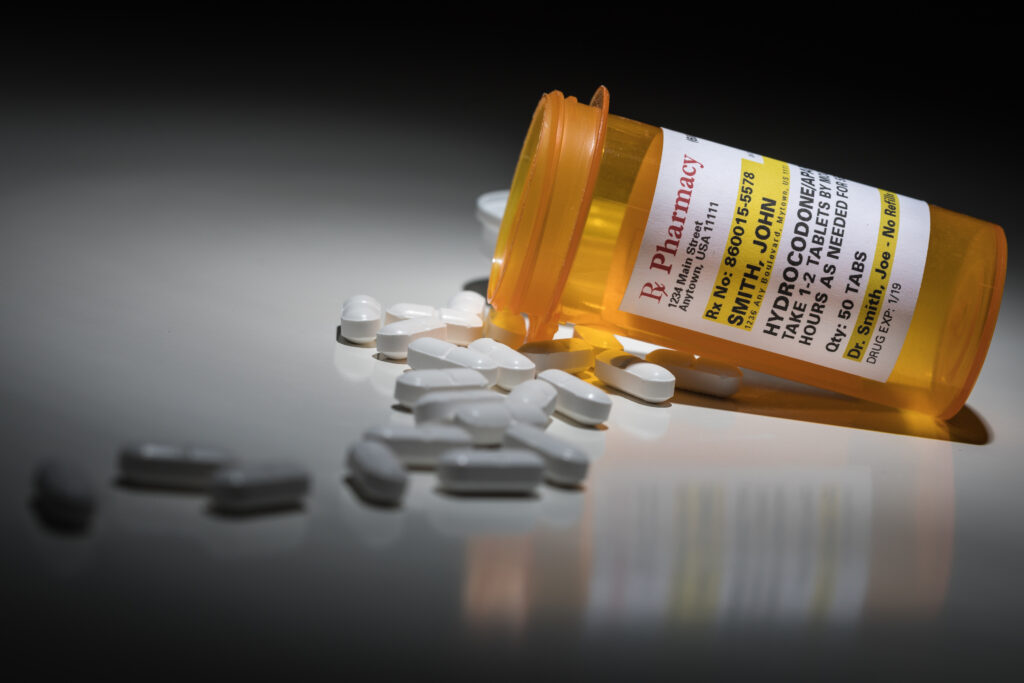
In 2022, research found that about 45% of prescription painkiller abusers over the age of 12 misused hydrocodone products like Vicodin. In the same year, an estimated 117,000 Americans died from drug overdoses caused by national and semi-synthetic opioids like Vicodin. According to the International Narcotics Control Board, the US accounted for almost all of the global hydrocodone use in 2021.
What are Opioids?
Opioids are a class of natural, semi-synthetic and fully synthetic substances that include illicit drugs as well as prescription medications. They are extremely potent and can be highly habit-forming when used on their own or combined with other substances that can increase potency. Opioids lead the cause of death in the US overdose crisis.
In 2023, an estimated 5.7 million people in America reported having an opioid use disorder. Opioid use disorder is a complex, chronic and very treatable medical disease. Opioids work by entering the bloodstream and binding to the opioid receptors in the brain, spinal cord and throughout the body. Opioid receptors are mostly found in the brain’s reward system, where they can have a significant impact on the development of an addiction.
What is Vicodin?
Vicodin is one of the most abused drugs in the world. It is an opiate painkiller that consists of hydrocodone and acetaminophen. Hydrocodone is a semi-synthetic opioid derived from codeine or thebaine. Acetaminophen is an over-the-counter pain reliever used to treat fever and mild to moderate pain. It is also used to enhance the effects of hydrocodone.
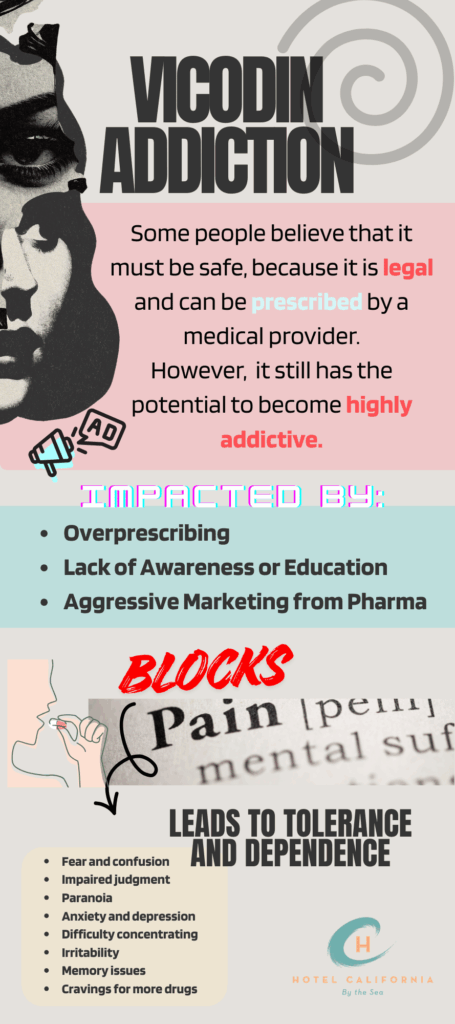
There is a misconception that Vicodin may be safer than other types of opioids. Some people believe that because it is legal and can be prescribed by a medical provider, it must be safe.
However, it still has the potential to become highly addictive.
Most people who begin misusing prescription medications begin by using medications given to them by their doctors. When this occurs, it can be difficult to see the signs of addiction. Prescription drug abuse involves taking more pills than prescribed. Prescription drug abuse can continue to take the medication beyond its prescribed timeframe. Prescription drug abuse can also be defined as taking the medication in any other way than how they were intended to be taken.
How do Vicodin and Opioids work?
Hydrocodone promotes brain activity that can lead to changes in mood and thinking. It can make people feel happy, calm and relaxed. It decreases feelings of pain and can also produce feelings of euphoria. Vicodin causes a dopamine rush in the brain. The acetaminophen ingredient works to enhance the effects of hydrocodone.
When Vicodin enters the body, it binds to opioid receptors in the central nervous system, which stops pain signals from reaching the brain and creates a surge of dopamine. Dopamine is also known as the feel-good chemical.
Common side effects of Vicodin use include initial euphoria, nausea, fatigue, headache, dry mouth, drowsiness, constipation, blurry vision and difficulty urinating. Long-term side effects include tolerance, dependence, withdrawal symptoms, overdose, fertility issues, sleep problems and organ damage.
How do you know if you have a Vicodin Addiction?
Addiction is mainly a psychological condition, whereas dependence is defined by physical symptoms like tolerance and experiencing withdrawal. A person can develop both a dependence and addiction to Vicodin. They often co-occur alongside one another.
The root cause of a Vicodin addiction is a chemical imbalance in the central nervous system resulting from opioid misuse. Repeated exposure to opioids increases the production of opioid receptors and decreases that of natural endorphins.
In 2014, the DEA decided to move Vicodin from a Schedule III controlled substance to a Schedule II because of its highly addictive nature. When people start using Vicodin more frequently or in larger doses than is prescribed, the drug’s usual dose begins to lose effectiveness. This prompts the user to find and use more in order to experience the same effects.
If a user begins mixing Vicodin with other substances like alcohol, if the user begins taking Vicodin for non-medical purposes and if the user begins taking Vicodin in other ways such as snorting or inhaling, they are abusing the drug and can develop an addiction.
Sometimes a Vicodin addiction can begin so subtly that the user doesn’t even realize it. The drug’s euphoric effects can lead to increased use and slowly progress towards higher doses and more frequent doses. This happens as the body begins to build tolerance to the drug. Other factors that can contribute to addiction include genetic predisposition, social influences and psychological factors such as anxiety or depression.
Physical Symptoms of Vicodin Abuse
- Drowsiness
- Slowed heartbeat
- Slowed breathing or respiratory depression
- Headache
- Blurred vision
- Slurred speech
- Constricted pupils
- Nausea and vomiting
- Seizures
Psychological Symptoms of Vicodin Abuse
- Fear and confusion
- Impaired judgment
- Paranoia
- Anxiety and depression
- Difficulty concentrating
- Irritability
- Memory issues
- Cravings for more drugs
Other Symptoms of Vicodin Abuse
- Relationship issues
- Financial problems
- Criminal activity and legal problems
- Stealing money from work, friends or family to buy drugs
- Loss of interest in activities once loved
- Isolation from friends and family
- Liver and kidney damage
Check Your Insurance Coverage for FREE
Find out if your insurance covers addiction treatment in minutes. We accept most insurance!
Types of Hydrocodone Medications
- Vicodin comes in dosages of 5mg, 7.5mg or 10mg of hydrocodone combined with 300mg of acetaminophen. In 2011, an estimated 131 million Americans were prescribed Vicodin in often unnecessary strengths and quantities, which contributed to the opioid overdose crisis.
- Norco comes in dosages of 7mg or 10mg of hydrocodone combined with 325mg of acetaminophen.
- Lortab comes in dosages of 5mg, 1.5mg or 10mg of hydrocodone combined with 325 mg of acetaminophen.
- Zohydro. This medication is purely hydrocodone and was approved by the FDA in 2013. It is only prescribed to treat severe pain.
Vicodin Addiction and Its Impact on the Opioid Crisis
The opioid crisis has been fueled not only by the abuse of illicit opioids but also by prescription opioid painkillers. Vicodin has played a significant role in this public health crisis. It is one of the most commonly abused opioids.
Vicodin was widely prescribed for its effectiveness in pain relief, which also led to its popularity for misuse. The ease of access and social acceptability of this medication contributed to the rise of opioid addiction rates across the nation.
Factors that impacted the opioid crisis include:
- Overprescribing of opioid medications. Many health care providers prescribed Vicodin.
- Lack of awareness. Many patients are often unaware of the strong potential for addiction when it comes to these types of painkiller medications.
- Pharmaceutical marketing. Aggressive marketing tactics and practices by drug companies and then followed by doctors, misled many patients into believing all medications were safe to use.
How to combat Vicodin Addiction?
Education seems to be the key in the fight against Vicodin addiction and the broader opioid overdose crisis. Increasing public awareness can help prevent misuse and raise understanding of the dangers and risks of using this medication. Social programs that insist on better prescription practices and that help monitor and track prescriptions to prevent abuse can also be effective.
One big factor is policy reform. Legal changes can be crucial. Efforts to enhance prescription monitoring and support addiction treatment services can better address the root cause of Vicodin addiction.
Reach out to Hotel California by the Sea
We specialize in treating addiction and other co-occurring disorders, such as PTSD. Our Admissions specialists are available to walk you through the best options for treating your addiction.
Are you ready for Substance Use Disorder treatment?
Professional behavioral health treatment programs like Hotel California by the Sea provide the tools, resources and support clients need when it comes to recovery from opioid use disorder.
We offer treatment at all levels of care including detox, residential, PHP and IOP. We utilize evidence-based methods such as CBT, DBT and MAT. Hotel California by the Sea is dedicated to helping our clients achieve their goals in sobriety and overcome their addiction.
References:
https://nida.nih.gov/research-topics/opioids
https://www.addictioncenter.com/opiates/hydrocodone-addiction
https://www.intoactionrecovery.com/blog/signs-and-symptoms-of-vicodin-abuse/
https://anrclinic.com/vicodin-addiction/