
What are Fetal Alcohol Syndrome facial features?
Fetal Alcohol Syndrome (FAS) is a condition in which children develop specific abnormalities in the womb as a result of alcohol exposure during the mother’s pregnancy. One of the most notable symptoms is the presence of fetal alcohol syndrome facial features. These are distinct physical features that can indicate a child may fall under the fetal alcohol spectrum disorder.
Some health care providers can diagnose a child with FAS at birth based on their small size and abnormal facial features.

No amount of alcohol is known to be safe to drink during pregnancy. Drinking alcohol while you are pregnant puts you and your baby at risk. It can cause children to have disabilities related to behavior, learning, thinking and physical development.
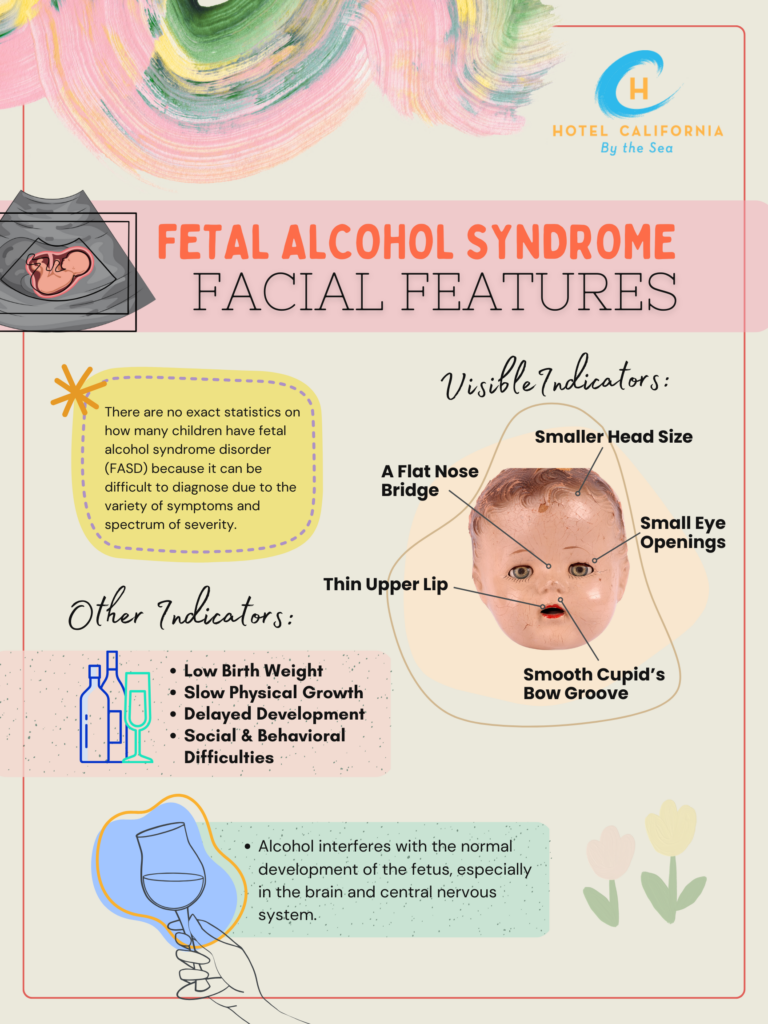
There are no exact statistics on how many children have fetal alcohol syndrome disorder (FASD) because it can be difficult to diagnose due to the variety of symptoms and spectrum of severity. But using available information, CDC scientists estimate that in the US, there are less than 2 cases of FASD in every 1000 live births.
Fetal Alcohol Syndrome Disorder
Fetal alcohol syndrome disorder is a range of conditions in a child that is caused when a mother drinks alcohol during pregnancy. It occurs when a fetus is exposed to alcohol in the womb before birth. Partial fetal alcohol syndrome is when children develop some of the known characteristics of the condition but don’t have all the symptoms.
When the pregnant mother ingests alcohol, it goes into the bloodstream. It can reach the baby by passing through the placenta. It raises the blood alcohol level in the baby because the baby is not able to break down alcohol as quickly or efficiently as an adult.
Alcohol is toxic to baby cells and exposure to the substance before birth harms how the fetus develops and can cause permanent damage to the developing baby. During the first three months of pregnancy, some of the most important stages of development occur. This includes the healthy development of facial features and organs.
Fetal alcohol syndrome can vary from child to child and some can develop lifelong symptoms. The disorder exists on a spectrum from mild to severe. There is no cure.
Alcohol’s Impact on the Fetus
- Alcohol interferes with the normal development of the fetus, especially in the brain and central nervous system
- Alcohol can kill baby cells in different parts of the fetus and cause abnormal physical development
- Alcohol can interfere with the way nerve cells develop and impact how they travel from different parts of the brain and their functioning
- Alcohol can constrict blood vessels, which can slow down blood flow to the placenta
- Alcohol can constrict the food supply to the placenta while in the uterus, which causes a shortage of oxygen and nutrients to the fetus
Disorders caused by Alcohol toxicity to children in the womb
Alcohol can also cause other types of damaging conditions to children when exposed to the toxicity of the substance. Alcohol related birth defects (ARBD) are physical birth defects that can impact the child’s heart, eyes, skeletal system, ears and kidneys.
Alcohol related neurodevelopmental disorder (ARND) is another type of alcohol induced condition. People with this disorder experience some of the following symptoms: impulsiveness and challenges with judgment and school or work performance.
Neurobehavioral disorder associated with prenatal alcohol exposure (ND-PAE) occurs when a baby is exposed to more than a small amount of alcohol as a fetus. The child now has difficulty with daily tasks like bathing and can struggle in social settings because of behavioral issues such as severe tantrums.
Fetal Alcohol Syndrome Facial Features
Babies with fetal alcohol syndrome tend to have distinct facial features. They are usually the most visible indicators of the condition. As the child grows, in some cases, the physical facial features can become less pronounced over time.
- Smaller head size compared to that of normal babies
- Small horizontal eye openings
- A flat nose bridge
- A distinctively smooth philtrum, which is the cupid’s bow groove between the bottom of the nose and the top of the lip
- A thin upper lip
Check Your Insurance Coverage for FREE
Find out if your insurance covers addiction treatment in minutes. We accept most insurance!
Other symptoms of Fetal Alcohol Syndrome
Physical Features
- Low birth weight
- Slow physical growth before and after birth
- Delayed development, such as taking longer to reach milestones like sitting, talking and walking
- Vision or hearing problems
- Challenges in heart, kidney and bone development
- Difficulty with coordination and balance
- Jittery and hyperactive
- Infants may have sleeping and sucking difficulties
Cognitive Features
- Intellectual disabilities due to abnormal brain development
- Learning disorders
- Difficulty with memory and learning new things
- Difficulty with focusing and thinking
- Little understanding of the results of the choices they made
- Poor judgment skills
- Have a difficult time problem-solving, reasoning and making decisions
- Short attention span
- Poor concept of time management, following schedules and understanding how long a task can take
- Difficulty organizing and planning and working towards a goal
- Language difficulty
Social and Behavioral Features
- Difficulty learning proper behavior
- Difficulty interacting with others in social situations
- Difficulty getting long with others and struggling to communicate
- Difficulty adapting to change to switching from one task to another
- Issues controlling emotions and actions
- Difficulty managing life skills, and taking time for self-care
- Is easily influenced by others
- Mood swings
- ADHD symptoms
- Aggression
- Drug and alcohol abuse
- Development of mental health conditions such as anxiety, depression and eating disorders
Challenges of Fetal Alcohol Syndrome
Any and all types of alcohol can cause fetal alcohol syndrome. The more you drink during pregnancy, the greater the chances of having issues with the baby. Children with this condition go on to become adults and continue to face challenges.
They are at higher risk for the following conditions: ADHD, intellectual disabilities, seizure disorders, anxiety disorders, language and learning difficulties, psychosis and the development of impulsive behaviors.
A person’s growth and weight may become normal as they continue to grow. However, they still may be faced with intellectual limitations going into adulthood. Social, educational and behavioral problems can be treated and managed with specific medications and behavioral therapies. However, there is no set treatment plan or cure for this condition.
Children with fetal alcohol syndrome are at higher risk of experiencing family instability and a study found that up to 60% of adults with fetal alcohol syndrome disorder have experience with the criminal justice system. This is 30 times higher than the overall population.
Prevention and Management of Fetal Alcohol Syndrome
Alcohol is a toxin that interferes with normal growth and the development of brain functioning in the fetus. The only way to successfully prevent fetal alcohol syndrome is to not drink alcohol if you are trying to get pregnant. Do not drink alcohol if you are pregnant. And consider giving up alcohol during child-rearing years.
There is no cure for this condition. However, there are ways to treat symptoms of the condition. Stimulants may be used to help children who have difficulty with concentration and hyperactivity. Sedative medications can assist with the treatment of anxiety, aggression and other behavioral issues. Antidepressants can be used to help treat symptoms of depression that can occur.
Reach out to Hotel California by the Sea
We specialize in treating addiction and other co-occurring disorders, such as PTSD. Our Admissions specialists are available to walk you through the best options for treating your addiction.
Treatment for Alcohol Use Disorder
Alcohol is a toxic substance. It can be even more toxic to both fetus and mother if taken during pregnancy. It is not recommended to drink any type of alcohol with pregnant. Fetal alcohol syndrome could become a catalyst for the development of alcohol addiction in the future. Behavioral health treatment programs like Hotel California by the Sea provide treatment for alcohol use disorder.
We offer treatment at all levels of care including detox, residential, PHP and IOP. We utilize evidence-based treatment methods such as CBT, DBT and MAT. Hotel California by the Sea is dedicated to helping our clients reach their goals in sobriety and overcome their addiction.
References:
https://www.mayoclinic.org/diseases-conditions/fetal-alcohol-syndrome/symptoms-causes/syc-20352901
https://www.medicalnewstoday.com/articles/fetal-alcohol-syndrome-face
https://my.clevelandclinic.org/health/diseases/15677-fetal-alcohol-syndrome
https://www.cdc.gov/fasd/about/index.html