
How long for Alcohol Bloat to go away?
Bloating is probably one of the most common side effects of alcohol abuse. Regular alcohol users often ask the question ‘how long for alcohol bloat to go away?’ Alcohol has a direct encounter with your stomach and gastrointestinal system before it spreads to other parts of the body. It would make sense that stomach bloating could be directly correlated with alcohol use.
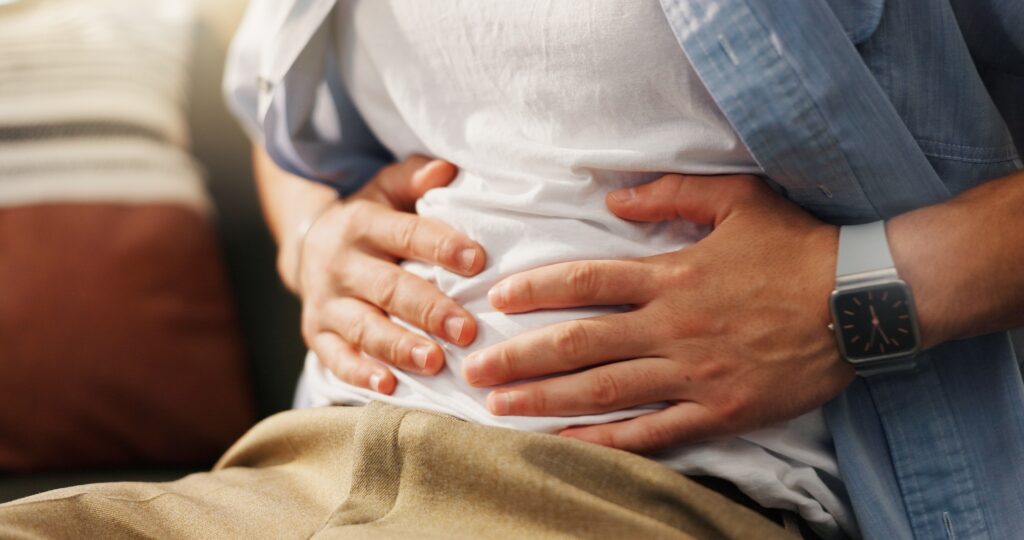
There are many factors that can be the cause of alcohol bloating. Increased stomach acids, increased sugar levels and general inflammation caused by too much alcohol consumption.
People who drink alcohol on a regular basis can experience the effects of chronic alcohol bloating. This includes chronic gastritis and even ulcers. Most of the time, these side effects are temporary. But with chronic alcohol use or problematic alcohol abuse, it can result in dangerous medical health issues.
In as little as 2 weeks with no alcohol, your entire body recovers. This includes an improved digestive system, liver function, clearer skin, and improved quality of sleep.
Causes of Alcohol induced bloating
Alcohol is an inflammatory substance. It can cause all kinds of issues. Alcohol bloating is one of them. There are many factors that impact alcohol bloating. Any one of these factors disrupts the normal process in the digestive tract by allowing alcohol toxins to enter the system, causing a whole host of side effects, including alcohol bloat.
Gastritis
Gastritis. Gastritis is a condition that increases inflammation in the digestive system and stomach due to the increased levels of stomach acid. The inflammation from alcohol causes the toxins to irritate the intestinal tract. Gastritis can lead to changes in appetite, bloating, heartburn, abdominal pain, nausea and vomiting.
Gastritis can also be highly erosive to the stomach lining because increased stomach acids can lead to stomach ulcers and peptic ulcers. Acute gastritis is temporary with symptoms appearing quickly and disappearing within a few days. Chronic gastritis can be more severe and last for several months all the way up to a year.
Dehydration
Dehydration. Alcohol is a diuretic. This means alcohol dehydrates you and increases the amount of liquid and hydration from other parts of the body in order to compensate. Alcohol suppresses an essential hormone that tells the kidneys to retain the correct amount of fluids to keep your body from becoming dehydrated.
Dehydration leads to effects like constipation, slowed digestion, weight gain, lack of digestive acids, nausea, vomiting, acid reflux and bloating. Hydration is important to help lubricate the digestive tract, help absorb nutrients, and help the body produce saliva and gastric juices. When alcohol is introduced, it prevents all of these from happening and interrupts the normal process.
During dehydration, the skin and other organs also hold as much water as possible, leading to the appearance of puffiness in the face and other places like the stomach. Which ultimately leads to alcoholic stomach bloat.
Calories and Sugar
Calories and sugar. Alcoholic drinks are high in calories and high in sugar content. Alcohol consumption disrupts both the digestion of sugars and the balance of good bacteria in the gut. It changes the gut’s normal fungal diversity and can cause an overgrowth of yeast called Candida. Candida can increase gas production, which causes stomach bloating.
Drinking any type of alcohol can lead to bloating. Beer, cider and sparkling wine all contain sugar alcohols. Sugar alcohols like sorbitol are often found in these types of alcoholic beverages to sweeten them. They are not fully digestible and can cause fermentation in the stomach. When they ferment, they produce gas, which again leads to bloating.
Carbonated Beverages
Oftentimes, alcohol is paired with or mixed with carbonated beverages. These non-alcoholic mixers produce gas in the stomach, leading to bloat. Once the drink has reached the stomach, the carbonation can build up.
Carbonate drinks also increase stomach acids, leading to acid reflux and added air into the intestines, which makes a person feel bloated and uncomfortable. Sodas, beers and mixers can all contain carbonation. You are basically drinking gas and building it up in your stomach causing you to bloat.
Check Your Insurance Coverage for FREE
Find out if your insurance covers addiction treatment in minutes. We accept most insurance!
How long for Alcohol Bloat to go away?
So how long does it take for alcohol bloat to go away? The duration of alcohol induced bloating is dependent on many factors. In most cases, it will vary from person to person. Factors such as the type of alcohol consumed, how long alcohol has been consumed, if there was any food consumption, if there are any medications you are taking and a person’s metabolic rate and body mass, all contribute to the duration of bloating in the body.
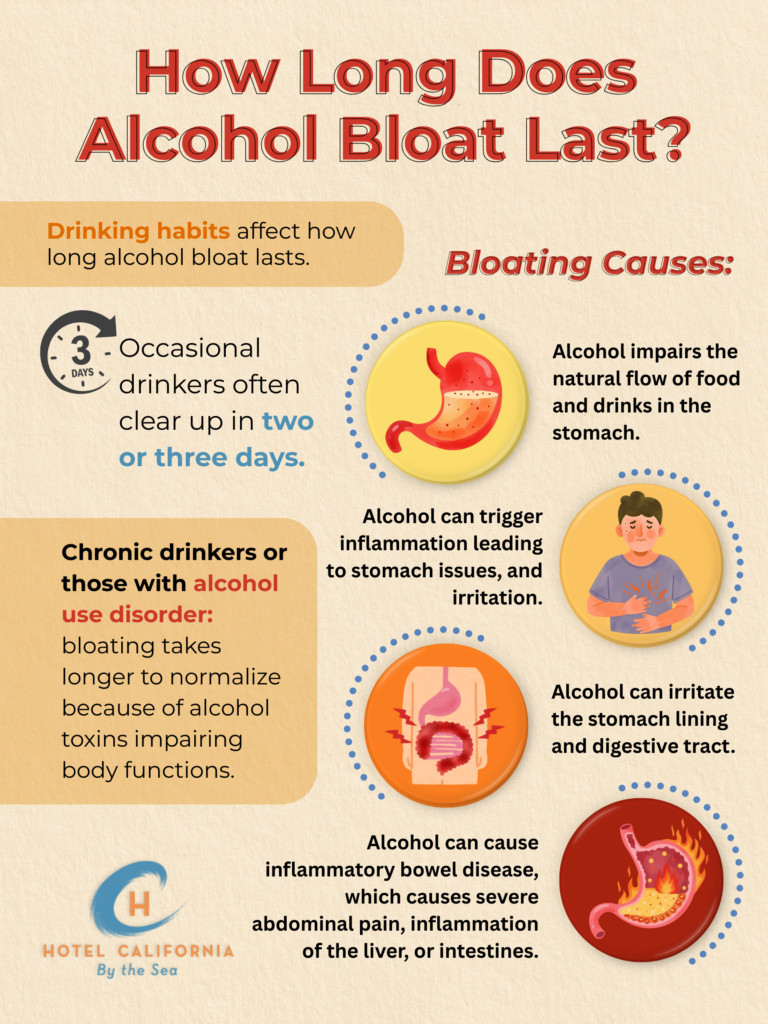
The stomach needs to work properly in order to digest alcohol normally. When there is too much alcohol consumption, it can impair the natural flow of food and drinks in the stomach. This ultimately leads to bloating.
One big factor that impacts the duration of alcohol bloat is the type of drinking habit. People who are occasional drinkers are more capable of flushing out toxins from their system because their organs are still working properly. In this case, stomach bloat can return to normal in about 2 or 3 days.
For a person who is a chronic drinker or may have alcohol use disorder, bloating will take longer to return to normal because alcohol toxins have already impaired their body functions and systems.
Best ways to treat or manage Alcohol Bloat
- Reduce or eliminate alcohol intake
- Stay hydrated and drink lots of water – drinking water before and after alcohol consumption can help prevent inflammatory effects on the body
- Avoid gas-producing foods and beverages
- Consume fruits and veggies because they contain water for hydration
- Drink herbal teas
- Consider over-the-counter medications to help mediate symptoms – antacids and proton pump inhibitors decrease the production of stomach acid, digestive enzymes
- Regular physical activity like walking
- Improve sleep quality
Risks and Side Effects Associated with Alcohol Bloat
Alcohol is an inflammatory substance that when consumed regularly, can lead to bloating, intestinal disorders, IBS, delayed stomach emptying, blocked bowels, stomach ulcers and overall irritation of the stomach lining.
Too much alcohol toxins cause erosion of the internal stomach lining, causing inflammation, which leads to bloat. Too much alcohol also overwhelms and irritates the digestive tract, which is the muscle that controls the entire digestive system process.
Alcohol can go on to trigger inflammatory bowel disease, which can lead to mild abdominal pain or inflammation of the liver and intestine.
Reach out to Hotel California by the Sea
We specialize in treating addiction and other co-occurring disorders, such as PTSD. Our Admissions specialists are available to walk you through the best options for treating your addiction.
Treatment for Alcohol Use Disorder
Alcoholism is a common mental health disorder. Professional behavioral treatment programs like Hotel California by the Sea provide help and support for those with an alcohol use disorder. We offer treatment at all levels of care including detox, residential, PHP and IOP. We utilize evidence-based methods like CBT, DBT and family therapy. Hotel California by The Sea is dedicated to helping clients reach their goals in sobriety and overcome their addiction.
References:
https://www.verywellhealth.com/alcohol-bloating-8708130
https://stonegatecenter.com/blog/2022/03/01/alcohol-your-stomach-how-long-does-alcohol-bloating-last/
https://healthtalk.unchealthcare.org/6-ways-alcohol-can-damage-your-gut/
https://zinniahealth.com/substance-use/alcohol/bloating
https://www.medicalnewstoday.com/articles/325778
https://recovered.org/alcohol/alcohol-and-health/alcohol-bloating
https://www.healthline.com/health/alcohol-bloating
https://www.addictioncenter.com/alcohol/alcohol-bloating