Zoloft Abuse
Zoloft is one of the most popular antidepressant medications in the US. The majority of those who take antidepressant medications do not misuse them. But there are some classes of antidepressants that can carry misuse potential. Though not common, Zoloft abuse can occur when a person develops a psychological addiction to the medication.
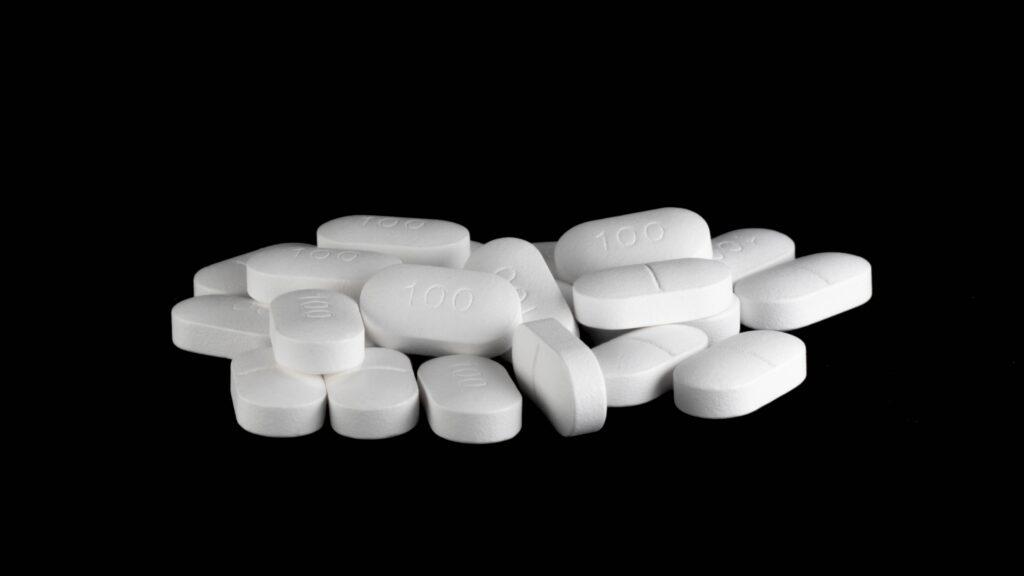
When doctors prescribe Zoloft, sometimes people feel the urge to double the dose on a bad day in order to feel better faster. According to mental health experts, this can be dangerous. SSRI medications aim to keep serotonin levels in the brain at a constant level rather than providing an instant fix.
Unlike stimulants or painkillers, Zoloft does not produce a sudden euphoria. It is not considered an addictive substance or a narcotic. In fact, it is very rare to experience a fatal overdose from the drug alone.
When misuse occurs, it is often because users are looking for pain relief rather than for recreational use. They are hoping to improve positive results, which then leads to a psychological addiction and can also increase the likelihood of developing a physical addiction.
What is Zoloft and how does it work?
Zoloft is the brand name for the medication sertraline, a selective serotonin reuptake inhibitor. This antidepressant medication is prescribed to improve and help regulate thoughts and mood and help improve sleep and energy levels in those who struggle with major depressive disorder, panic disorder, OCD, social anxiety disorder and PTSD. It can also be used to treat symptoms of eating disorders and other food addictions.
It is available in pill or liquid form. SSRI medications like Zoloft work by helping to rebalance levels of serotonin in the brain. It blocks neurons and prevents them from absorbing serotonin, making more of the chemical available for the brain to use.
It is understood that people with naturally low levels of serotonin suffer from mental health disorders. When Zoloft creates an opportunity for more serotonin availability, it has been clinically shown to improve mood and lessen symptoms associated with depression.
How Zoloft helps to regulate your brain
Serotonin is one of the most important brain chemicals that help regulate mood and play other important roles in the brain and body. It also influences learning, memory, happiness, body temperature regulation, sleep, sexual behavior and hunger.
Typically, when there is a lack of serotonin in the brain, it can lead to conditions such as anxiety, mania and other mental health conditions. Where does Zoloft come in? It works like a thermostat. Rather than pumping your brain full of artificial joy, the medication acts as a regulator for serotonin.
Instead of adding new chemicals, it simply stops your brain from reabsorbing them too quickly. The neurotransmitter stabilization prevents the rapid reabsorption of existing serotonin, maintains steady available levels of serotonin in the brain and supports consistent emotional regulation over time.
Everyone reacts differently to medication. Your dosage will be individualized based on your needs and biometrics. You will typically start at the lowest dose and work your way up until your side effects have normalized. It can take anywhere from 4 to 6 weeks to notice symptom relief after starting medication.
Signs of Zoloft Abuse and Dependency
When someone takes Zoloft for an extended period of time, the brain naturally adapts to the steady serotonin levels. This is known as physical dependence. It means your body expects the medication in order to function normally. Zoloft abuse is behavioral. The majority of SSRI users do not misuse the medication. But taking the medication in any way that is not prescribed is considered misuse and abuse. This includes self-medication and altering a dosage to take more than what was prescribed.
This drug does not provide instant relief like some others. Someone who is struggling might desperately try to force it to work faster by taking more. Crossing the line from daily therapeutic use to erratic misuse of Zoloft can put strain on the body. The following are forms of Zoloft abuse.
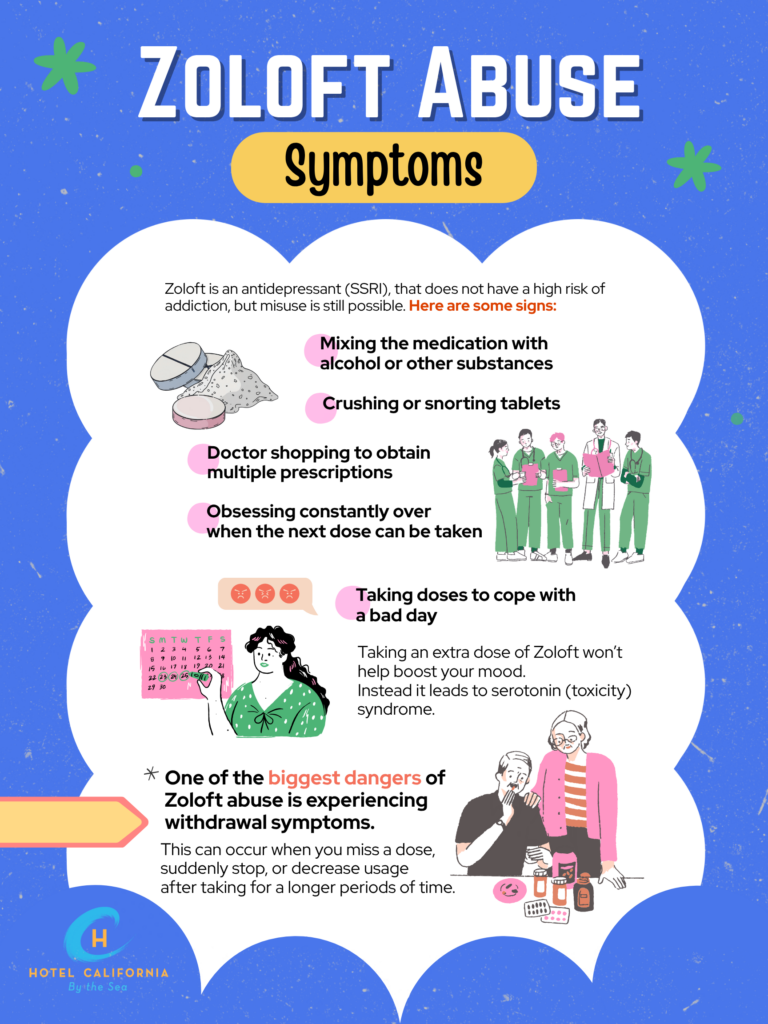
- Taking prescribed doses to cope with a bad day
- Crushing or snorting tablets
- Doctor shopping to obtain multiple prescriptions from different providers
- Obsessing constantly over when the next dose can be taken
- Mixing the medication with alcohol or other substances
Check Your Insurance Coverage for FREE
Find out if your insurance covers addiction treatment in minutes. We accept most insurance!
Understanding the Risks and Dangers of Zoloft Abuse
An addiction to prescription medications can develop quickly. This is especially apparent when people experience positive effects from the drug or physical withdrawal symptoms when they attempt to stop medication. While Zoloft does not have a high risk of addiction compared to other prescription medications, it doesn’t mean that it cannot be addictive. It is generally considered safe for long-term use, but can still experience side effects.
One of the biggest dangers of Zoloft abuse is experiencing withdrawal symptoms. It is also known as SSRI discontinuation syndrome. This can occur when you miss a dose or have been taking the medication for a period of time and suddenly stop or decrease usage.
An estimated one in five people who stop taking Zoloft can experience withdrawal symptoms or discontinuation syndrome. This is a result of being physically dependent on the medication.
Zoloft’s half-life is around 26 hours. This means serotonin levels in the brain can begin to decrease within 48 hours. SSRI discontinuation syndrome can last anywhere between one and two weeks. It typically causes the emergence of rebound symptoms such as depression and anxiety. Other symptoms include fatigue, flu-like symptoms, irritability, tingling in the extremities, insomnia, dizziness, nausea, nightmares, vertigo and suicidal ideation.
Understanding the Dangers of Serotonin Syndrome
Taking an extra dose of Zoloft won’t help boost your mood. Instead, it will flood your brain with too much serotonin. Leading to serotonin toxicity or serotonin syndrome. This overdose can develop within mere hours of taking a large dose.
Serotonin syndrome can look like rhythmic muscle spasms, issues with autonomic functioning and changes in mental status.
Serotonin syndrome is a severe physical reaction that requires emergency room treatment. If you start sweating heavily without using physical exertion. If you begin to experience a rapid pounding heart rate. If you experience muscle rigidity or severe twitching. If you suddenly feel confused or agitated. Or if you have uncontrollable shivering. All these are signs of serotonin syndrome.
It is not a common occurrence. But if not treated, it can have dangerous and life-threatening consequences.
The Science of tapering and withdrawal
Deciding to quit is a step in a positive direction. But going cold turkey with your Zoloft pills could trigger severe physical reactions. The brain has adapted to the drug and suddenly cutting it off can lead to SSRI discontinuation syndrome and extreme withdrawal symptoms.
The most effective way to come off the medication is to gradually taper. A safe tapering schedule allows the medication to be slowly lowered over time and allows the nervous system to adjust smoothly. A successful taper plan involves medical consultation, gradual dose reduction, symptom monitoring and professional support.
Reach out to Hotel California by the Sea
We specialize in treating addiction and other co-occurring disorders, such as PTSD. Our Admissions specialists are available to walk you through the best options for treating your addiction.
Treatment for Substance Use Disorder
Antidepressants like Zoloft can be extremely effective in treating mental health conditions. However, like any medication, they should only be taken as prescribed in order to avoid withdrawal and rare conditions such as serotonin syndrome. Professional behavioral health programs like Hotel California by the Sea can provide treatment for those who have become dependent or addicted to Zoloft or other antidepressant prescription medications.
We offer treatment at all levels of care including detox, residential, PHP and IOP. We utilize evidence-based methods such as CBT, DBT and group therapy. Hotel California by the Sea is dedicated to helping our clients reach their goals in sobriety and overcome their addiction.
References:
https://recovered.org/antidepressants/sertraline-zoloft
https://fherehab.com/learning/overdosing-zoloft
https://www.rehabcenter.net/sertraline/
https://www.talkspace.com/blog/is-zoloft-addictive
https://www.addictions.com/depression/zoloft-addiction-treatment
https://www.addictioncenter.com/antidepressants/zoloft